

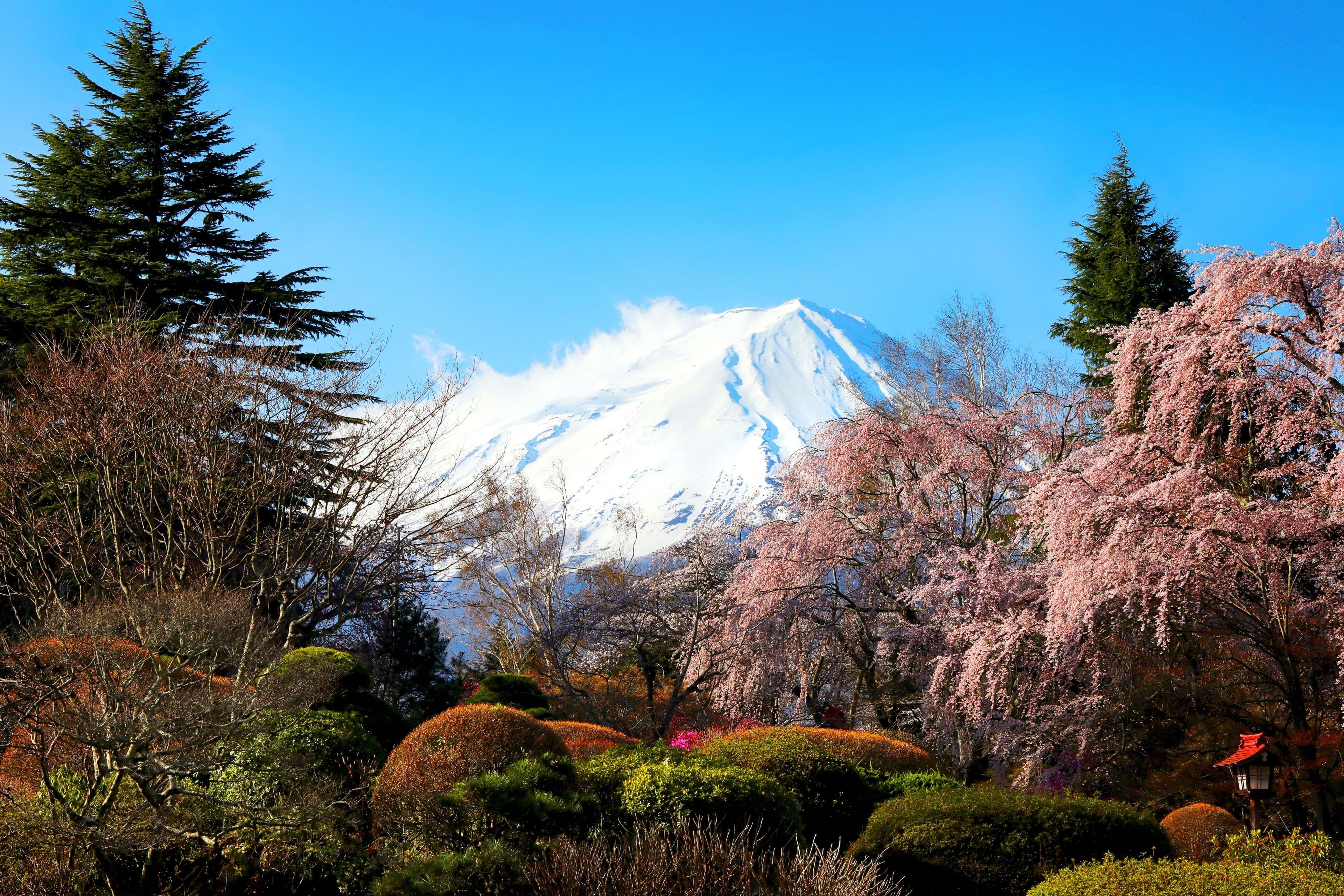
Japan Cherry Blossoms Kochi to Japan in Bloom
Three Tokyo nights with a Mount Fuji lake day, the bullet train to Hiroshima, and two Osaka nights for Kyoto and Nara — all timed for the spring blossom window.
Return flights, six 4-star hotel nights, the bullet train, the Japan visa file and travel insurance, all in one booking.
The Journey in One Look.
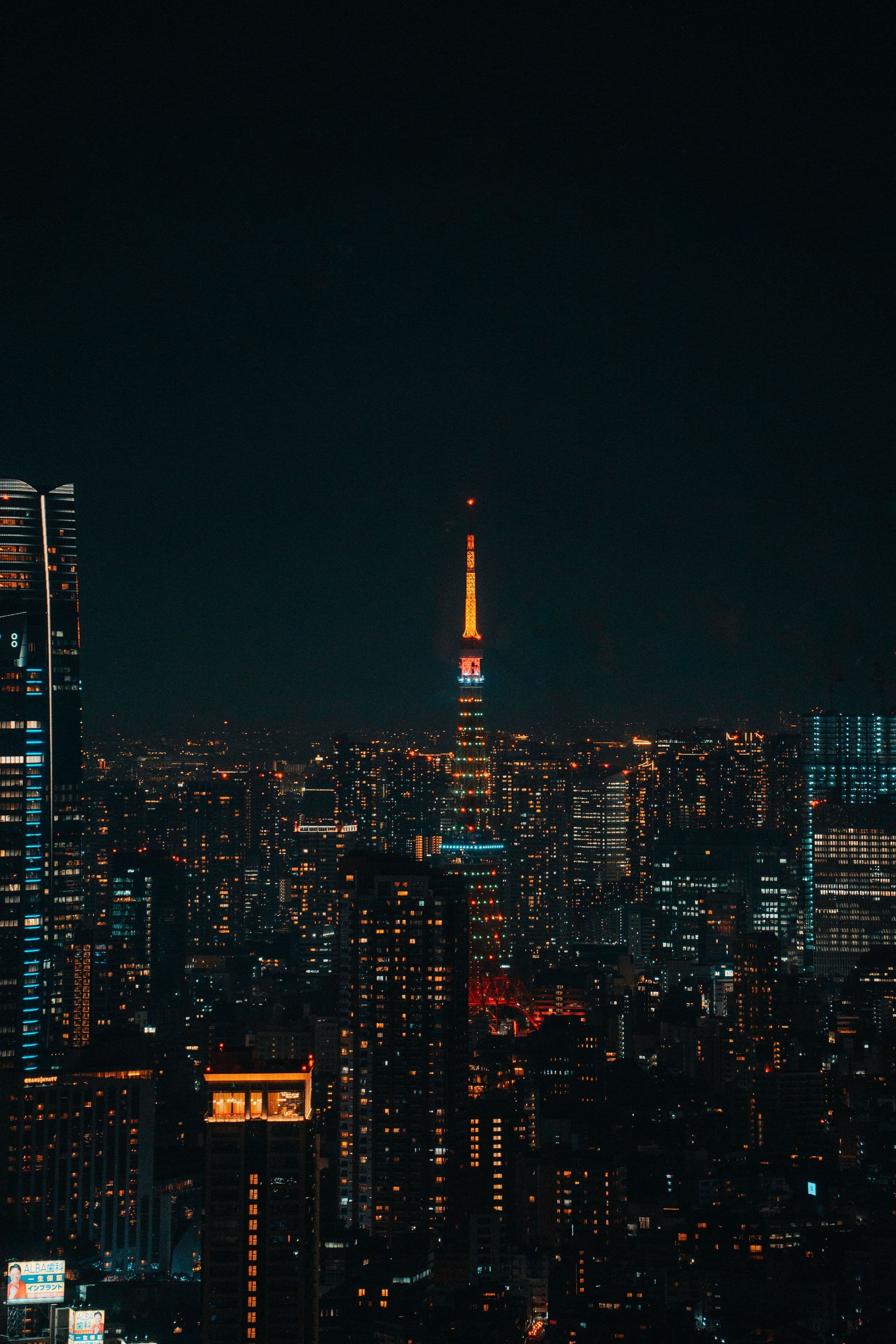
This 7-day Japan cherry blossom tour from Kochi flies into Tokyo and out of Osaka, so no day is spent going back the way you came. Three nights in Tokyo cover the city, Senso-ji, the Skytree, and a full day out at Mount Fuji with a cruise on Lake Kawaguchiko. On Day 4, the group boards the bullet train south to Hiroshima for one night at the Peace Memorial Park. Two closing nights in Osaka hold a photo stop at Osaka Castle and a full day in Kyoto and Nara before the flight home. Return flights, every hotel night, all meals on the plan, the Japan visa file and travel insurance to age 70 sit inside one booking, and a Malayalee tour manager travels with the group from Kochi and back.
Duration
7 Days, 6 Nights
Route
Tokyo · Hiroshima · Osaka · Kyoto · Nara
Hotels
6 Nights · 4-Star
Train
Bullet Train Ride
Visa
Japan Visa Included
Flights
Return Flights Included
Seven Days, Day by Day.
Kochi to Tokyo, a Mount Fuji lake day, the bullet train to Hiroshima, and Osaka for Kyoto and Nara.
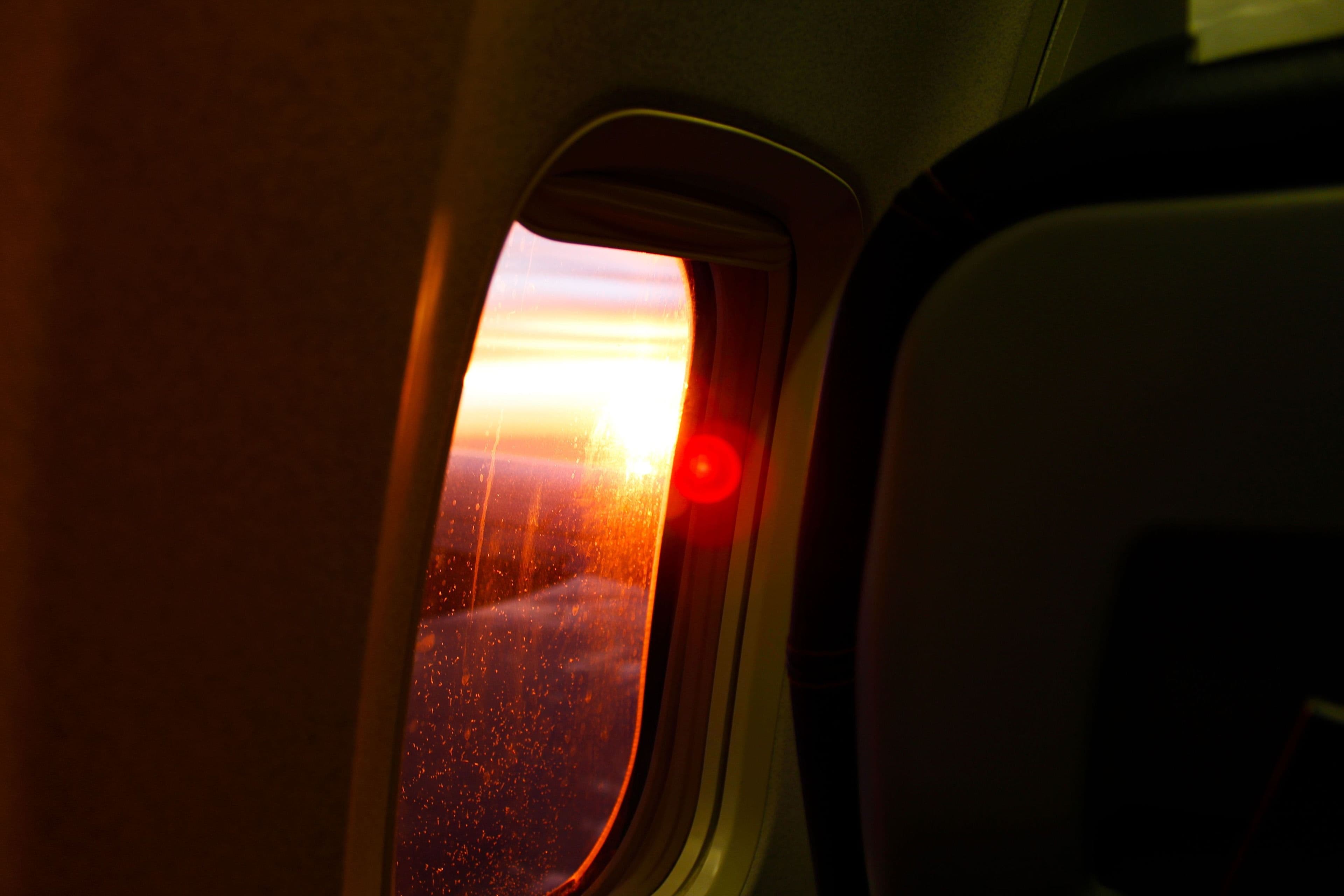
Meet the Fortune tour manager at Cochin International Airport. After check-in, emigration and customs, board the flight to Tokyo via Kuala Lumpur. Japan is called the land of the rising sun, a country that keeps its old arts and traditions alive while using new technology like no other place. On arrival at Tokyo airport, the group goes for dinner, then checks in at the hotel.
Overnight in Tokyo. Meals: breakfast and lunch on the flight, dinner at a restaurant.
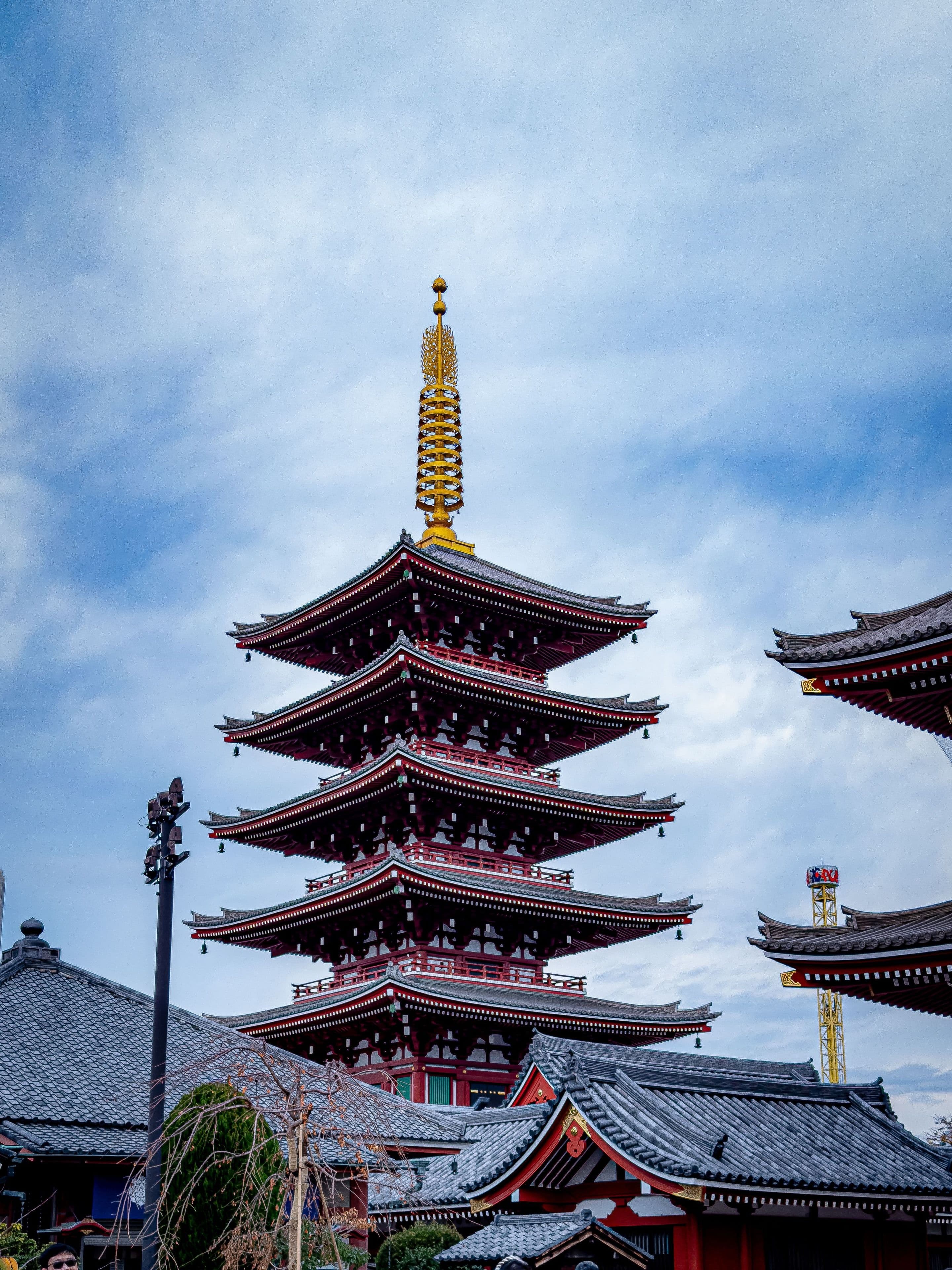
The day belongs to Tokyo. It opens at Ueno Park, then Shibuya Crossing, the famous junction known for its busy streets, giant video screens and fashionable crowds. Next is Senso-ji in Asakusa, a much-loved Buddhist temple to the goddess of mercy, first built in the 7th century, with a five-storey pagoda and the Asakusa Shrine beside it, where many visitors walk in kimono. Nakamise Street runs 250 metres along the approach to the temple, lined with shops selling traditional souvenirs, snacks and sweets. The day ends at Tokyo Skytree in Sumida ward, a television tower 634 metres tall, the tallest structure in Japan — the number 634 reads as Musashi, an old name for the Tokyo region.
Overnight in Tokyo. Meals: breakfast, lunch, dinner.
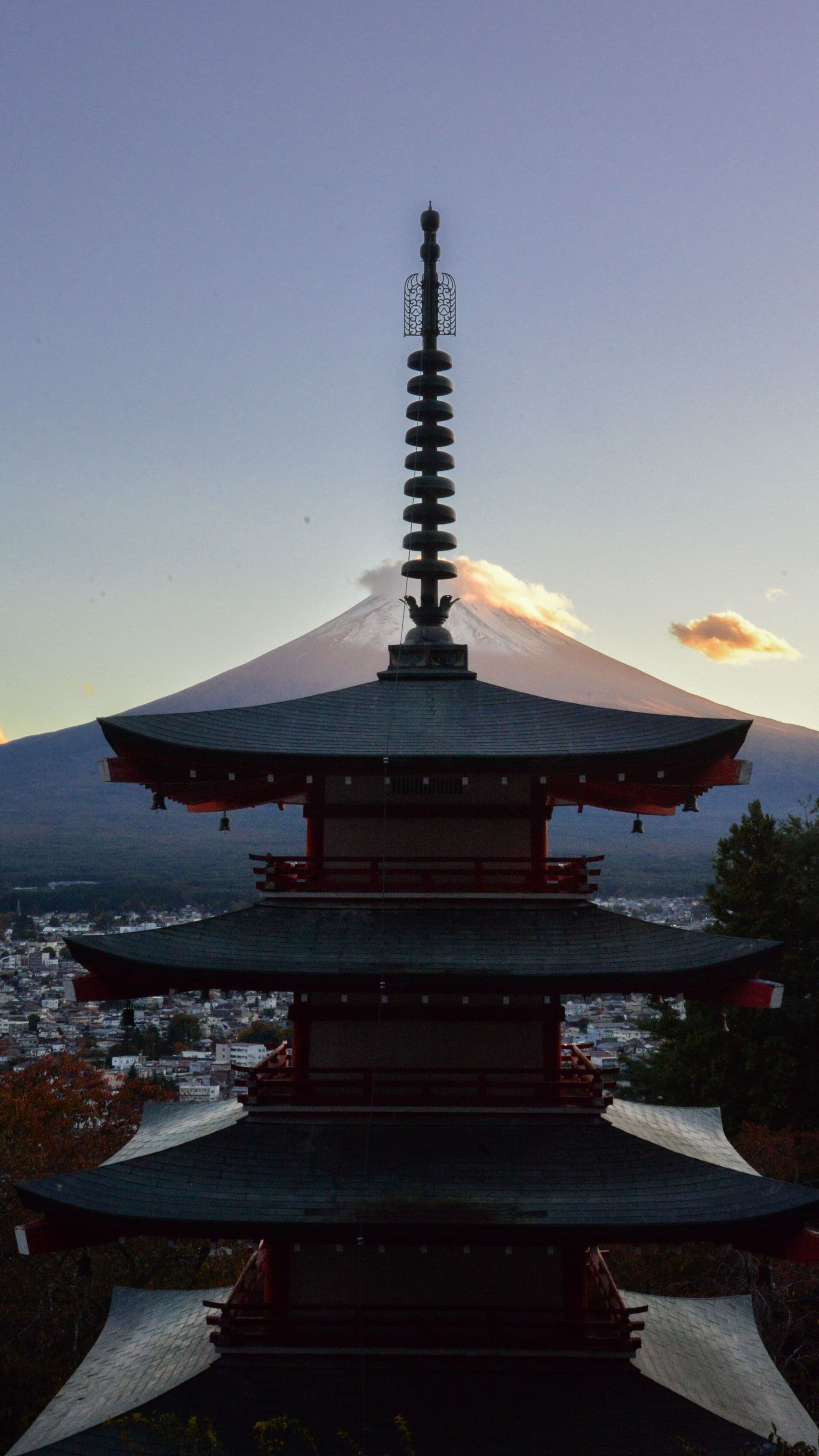
The coach heads out to Mount Fuji, the highest mountain in Japan at 3,776 metres and one of its most visited sights. Known as Fuji-san, it has been sacred to Shinto since the 7th century and is counted among Japan's three sacred mountains. The day holds a cruise on Lake Kawaguchiko, whose northern shore gives some of the best views of the peak, and a ride up the Mount Fuji Panoramic Ropeway, which climbs 400 metres from the lake's eastern shore to an observation deck near the top of Mount Tenjo, more than 1,000 metres above sea level. Dinner, then the drive back to Tokyo.
Overnight in Tokyo. Meals: breakfast, lunch, dinner.
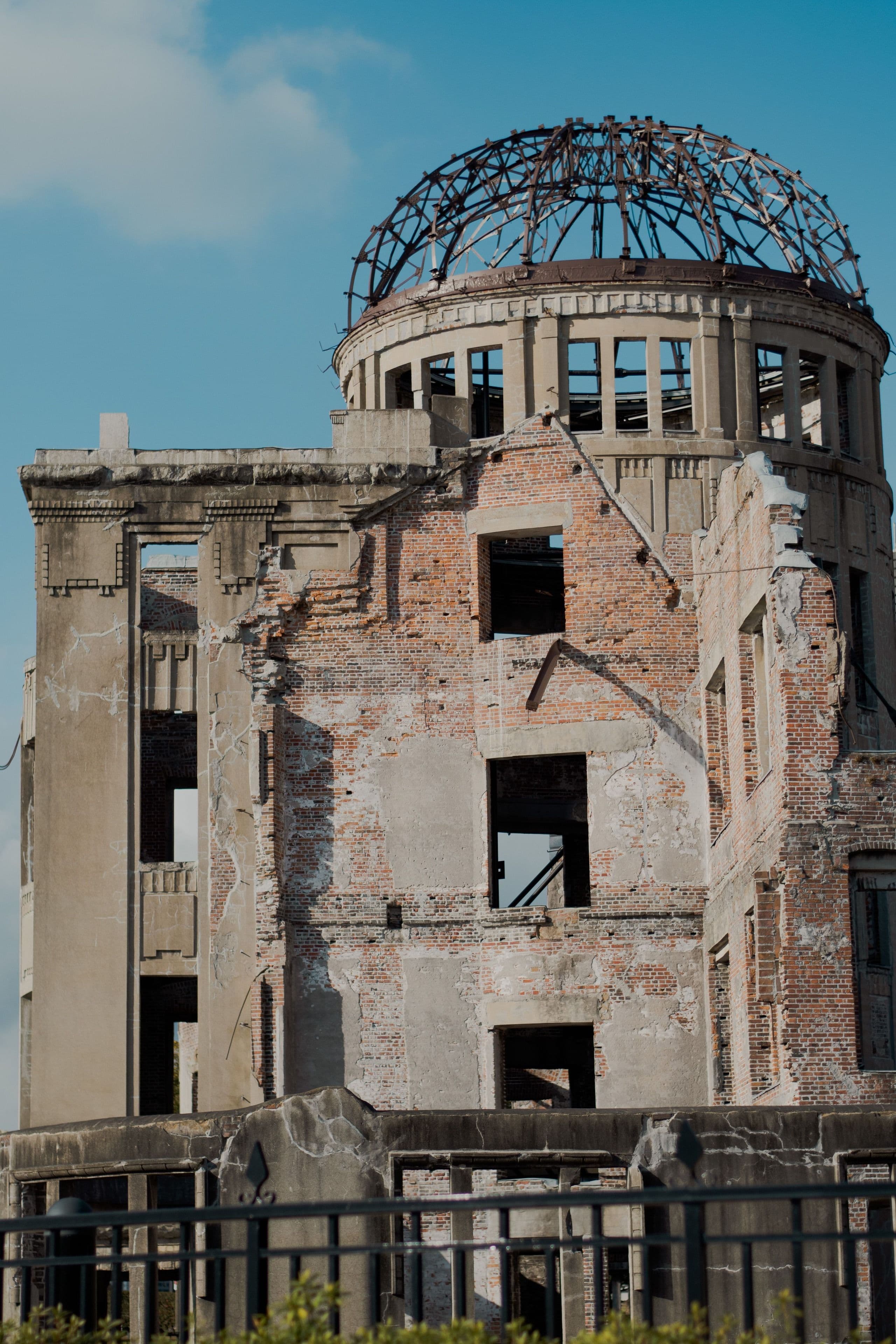
Visit TeamLab Planets Tokyo, a digital art space where you walk through rooms of projections and light. Then the bullet train from Tokyo to Hiroshima — carry one small bag for this night, as the main luggage travels straight on to Osaka. Hiroshima was largely destroyed by an atomic bomb in World War II. With a local expert leading the walk, the group visits the Peace Memorial Park and the Atomic Bomb Dome (Genbaku Dome), one of the few buildings left standing near the blast on 6 August 1945 and a UNESCO World Heritage Site since 1996. The Peace Memorial Museum tells the story through its exhibitions.
Overnight in Hiroshima. Meals: breakfast, lunch, dinner.
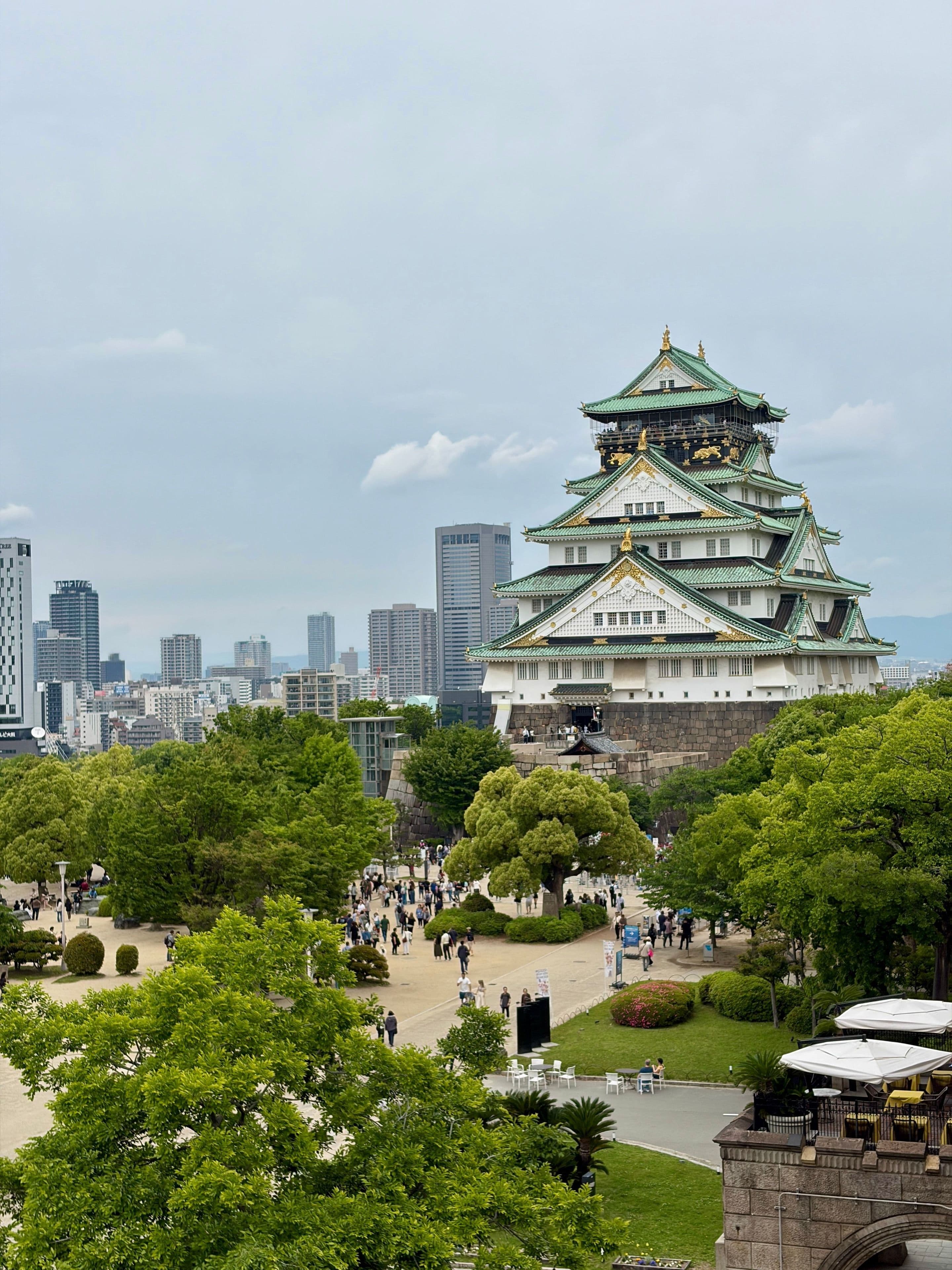
After a buffet breakfast, the coach drives from Hiroshima to Osaka. On reaching the city, a photo stop at Osaka Castle, then dinner and check-in at the hotel.
Overnight in Osaka. Meals: breakfast, lunch, dinner.
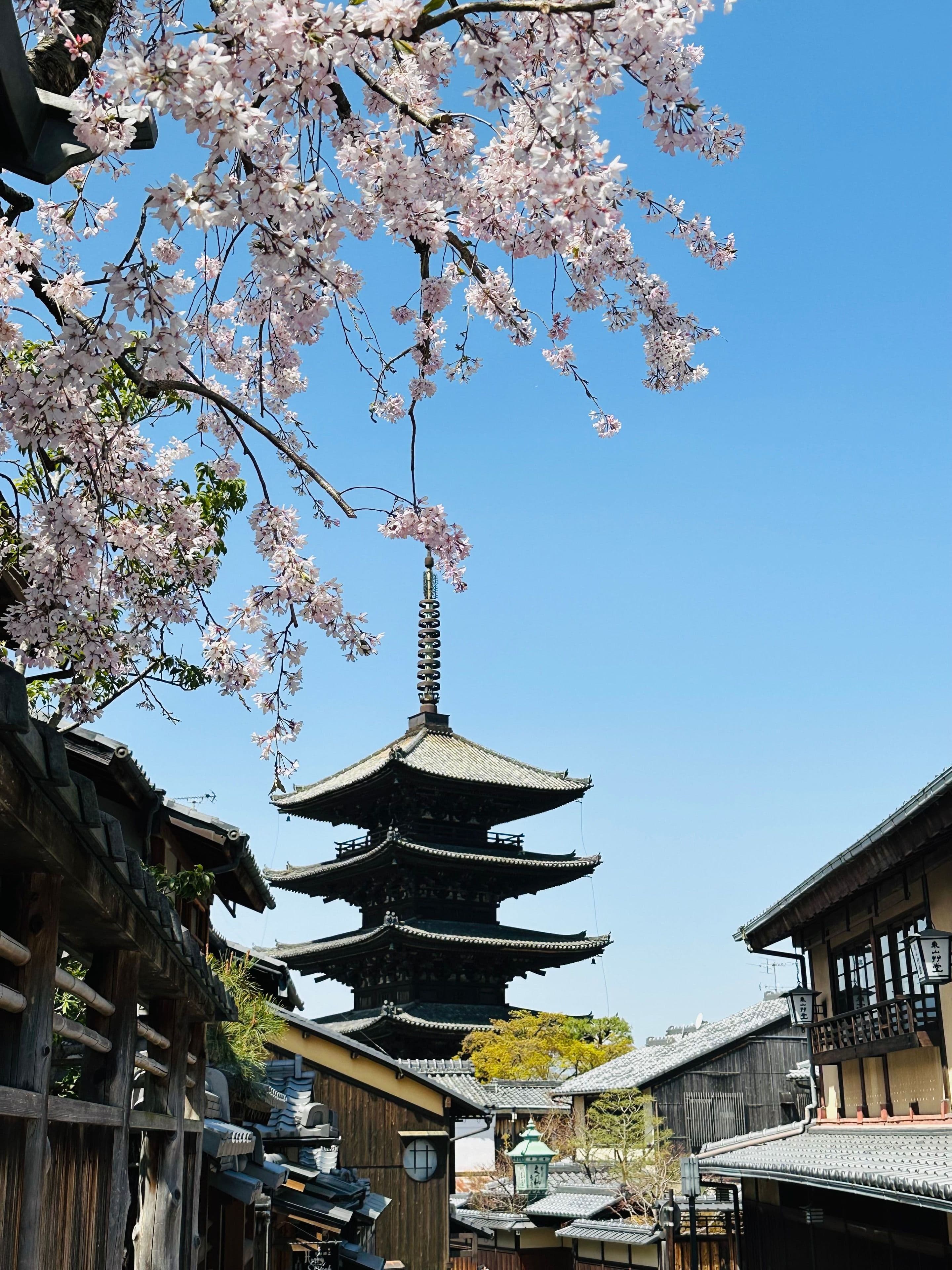
A full day out to Nara and Kyoto. Nara comes second only to Kyoto for the richness of its temples, shrines and gardens: the group visits Todaiji Temple and Nara Park, opened in 1880 at the foot of Mount Wakakusa, with free-roaming deer. In Kyoto, Kinkakuji is a Zen temple whose top two floors are covered in gold leaf, once the retirement villa of shogun Ashikaga Yoshimitsu. Fushimi Inari Shrine in southern Kyoto is famous for its thousands of vermilion torii gates lining the trails up Mount Inari. Return to Osaka.
Overnight in Osaka. Meals: breakfast, lunch, dinner.
Check out and transfer to Osaka airport for the flight home. The tour ends with fond memories.
Meals: breakfast.
What's Covered & What's Not
Before you fly
Documents & Visa
The Japan visa file runs through the Fortune desk. Send these early.
01
Valid passport
An original passport valid for at least six months beyond the return date, with four blank pages; requirements can vary with the consulate.
02
Visa filed for you
Visa charges are inside the package and our desk files the application, though granting rests only with the consulate.
03
Rejection or delay
Visa fees and booking advances are not refunded if a visa is rejected or delayed; a rejection counts as a deemed cancellation from the rejection date.
04
Check your visa
The visa copy is emailed and sometimes the passport is posted home; check the sticker and confirm every personal detail and the validity dates before travel.
05
Insurance cover
Travel insurance to age 70 is included for Indian residents only; guests above 70 or on foreign passports arrange their own cover.
06
Mind your passport
A lost passport abroad means police filing, embassy visits and new documents, all at the traveller's cost.
Good to Know
Blossom is a natural event
The tour is planned toward the usual spring window, but no claims or adjustments apply if the trees are not in bloom during the tour.
Twin beds are the norm
Most hotels have twin rooms with two separate beds; a double is usually queen size, not king. Standard rooms average 15–18 square metres.
Triple rooms
A third bed is usually a rollaway; the desk strongly suggests a twin plus a single supplement instead of a triple.
Air conditioning
Most hotels run central air conditioning set for the whole property; restaurants and sights are mostly naturally ventilated.
Day 4 luggage
Carry one small bag for the Hiroshima night; the main luggage goes straight to Osaka.
Walking
Walking is part of every touring day, and in some cities coach restrictions mean a short walk to the monuments.
Hotel deposits
Hotels take a refundable security deposit per room at check-in; a debit card is charged at once and returned only after 2–3 weeks, so carry a credit card.
Check-in / out
Hotel check-in is at 3 pm and check-out at 11 am. On flight days, a packed or airport meal may replace a restaurant meal if timings do not match.
Cancellation Policy
| When you cancel | Charge |
|---|---|
| More than 30 days before departure | 50% of the tour cost |
| Within 30 days of departure | 100% of the tour cost |
Visa fees and flight tickets are non-refundable in all cases.
Six Nights in Japan, Timed for the Blossoms.
Return flights, six hotel nights, the bullet train, every meal on the plan and the Japan visa file sit inside one booking, with a Malayalee tour manager beside the group from Kochi and back. Blossom season seats fill early and the visa file needs lead time — call us with your names and travel month.