


Japan & Korea Tour Kochi to the Rising Sun
Three Tokyo nights with the Fuji lake day, the bullet train south, Hiroshima's story, Kyoto and Nara, then four settled Seoul nights ending at the DMZ — the complete plan.
Return flights, ten 4-star nights, the bullet train, both visa files and travel insurance, all in one booking.
The Journey in One Look.
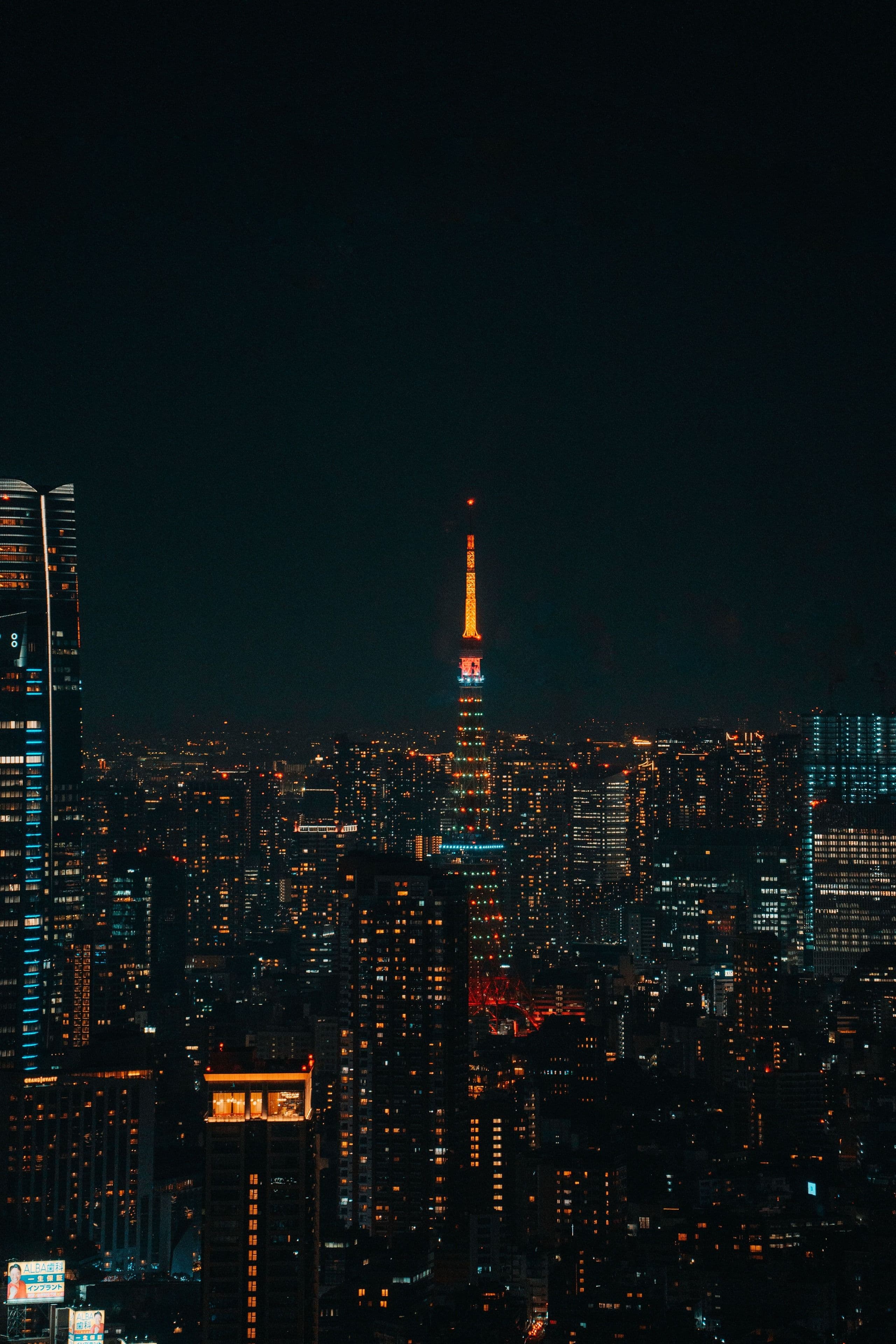
Eleven days and ten nights on set group departures ex Kochi. Economy flights Kochi–Tokyo, Osaka–Seoul and Seoul–Kochi; three nights in Tokyo, one in Hiroshima, two in Osaka and four in Seoul, all in 4-star hotels. The bullet train runs Tokyo to Hiroshima, all meals per the itinerary, and Japan and South Korea visa charges are included, with all sightseeing and airport transfers by air-conditioned coach. Travel insurance to age 70 (Indian residents) and a Malayalee tour manager throughout, GST included. An international route needs a passport valid six months beyond return, with four blank pages.
Duration
11 Days, 10 Nights
Countries
Japan & South Korea
Route
Tokyo · Hiroshima · Osaka · Kyoto · Nara · Seoul
Hotels
10 Nights · 4-Star
Visas
Japan & Korea Included
Flights
Return Flights Included
Day by Day
Kochi to Tokyo and Mount Fuji, the bullet train to Hiroshima, Osaka for Kyoto and Nara, then four Seoul nights ending at the DMZ.
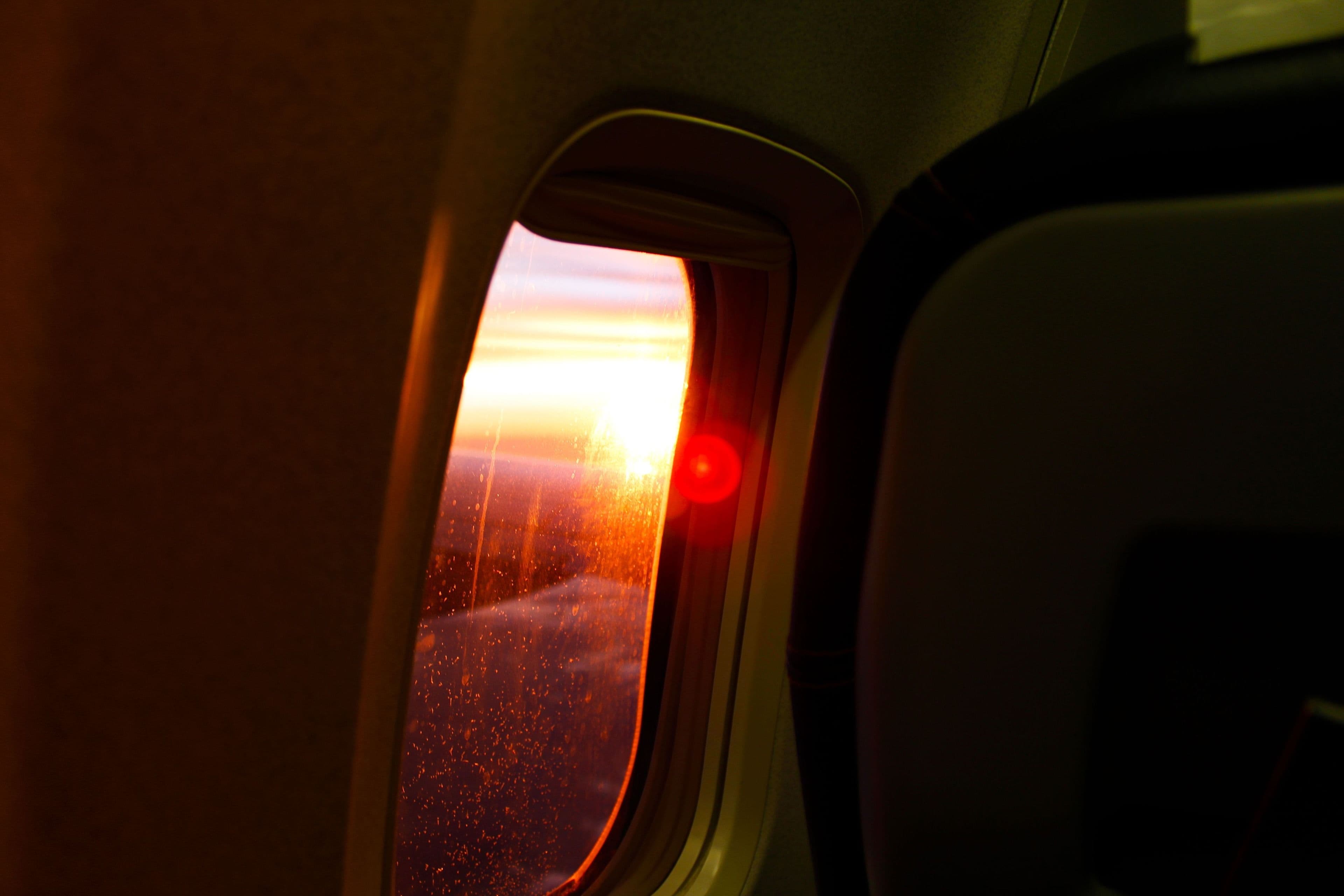
Assemble at Cochin International Airport and meet the Fortune tour manager. After check-in, emigration and customs, board the flight to Tokyo, routed via Malaysia. Arrival at Tokyo brings you into the land of the rising sun, a country of old civilization and new technology in equal measure. Dinner, then check in at the hotel.
Overnight in Tokyo. Meals: breakfast and lunch on the flight, dinner at a restaurant.

The capital opens up: Ueno Park, Shibuya Crossing with its giant screens and crowds, then Senso-ji, the seventh-century temple to the goddess of mercy with its five-storey pagoda and the Asakusa Shrine. Nakamise Street runs 250 metres to the temple gate, before a drive past the Imperial Palace and the National Diet Building. The day tops out at the Tokyo Skytree, 634 metres and the tallest structure in Japan.
Overnight in Tokyo. Meals: breakfast, lunch, dinner.

The day trip runs to Mount Fuji, Japan's tallest peak at 3,776 metres, sacred to Shinto since the seventh century and one of the country's three sacred mountains. The Lake Kawaguchiko cruise puts the mountain across the water, and the Mount Fuji Panoramic Ropeway climbs 400 metres from the eastern shore to a deck near Mount Tenjo for the full panorama of lake and peak. Dinner, then the return to Tokyo.
Overnight in Tokyo. Meals: breakfast, lunch, dinner.
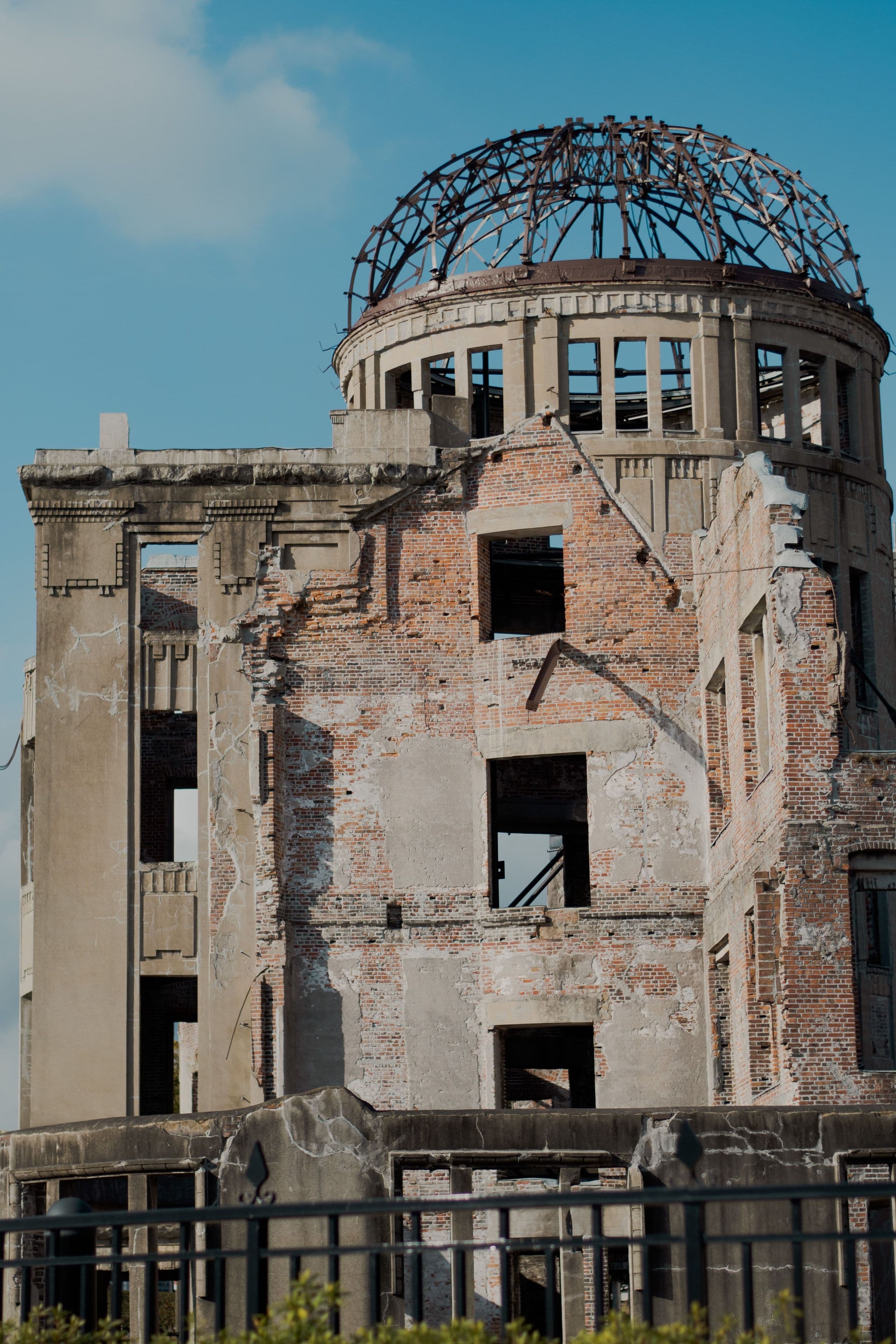
The morning begins at TeamLab Planets, the immersive digital art exhibition. Then the bullet train to Hiroshima; pack one small bag for the night, as the main luggage travels directly to Osaka. On arrival, a guided tour walks the city's hardest ground: Hiroshima Peace Park, the Atomic Bomb Dome and the Peace Memorial Museum, whose exhibitions speak of the bomb of 6 August 1945. The dome, a UNESCO World Heritage Site since 1996, stands as their memorial near ground zero.
Overnight in Hiroshima. Meals: breakfast, lunch, dinner.

The drive runs to Osaka with a photo stop at Osaka Castle on the way. After dinner, check in at the hotel.
Overnight in Osaka. Meals: breakfast, lunch, dinner.
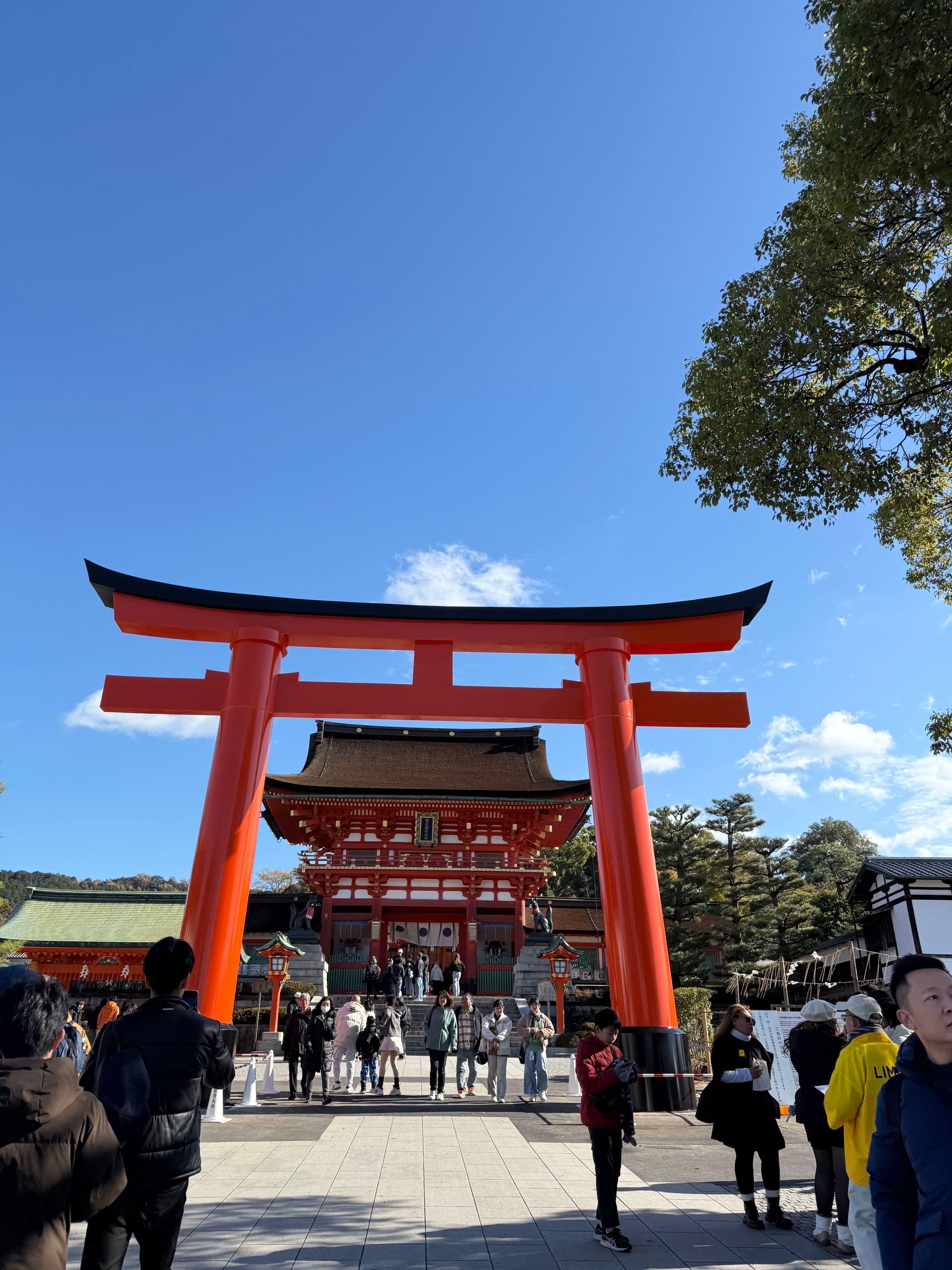
A full-day tour of the old capitals. Nara brings Todaiji Temple and Nara Park, established 1880 at the foot of Mount Wakakusa, home of the free-roaming deer. Kyoto answers with Kinkakuji, the gold-leaf Zen temple, and Fushimi Inari Shrine, where thousands of vermilion torii gates climb sacred Mount Inari. Return to Osaka.
Overnight in Osaka. Meals: breakfast, lunch, dinner.
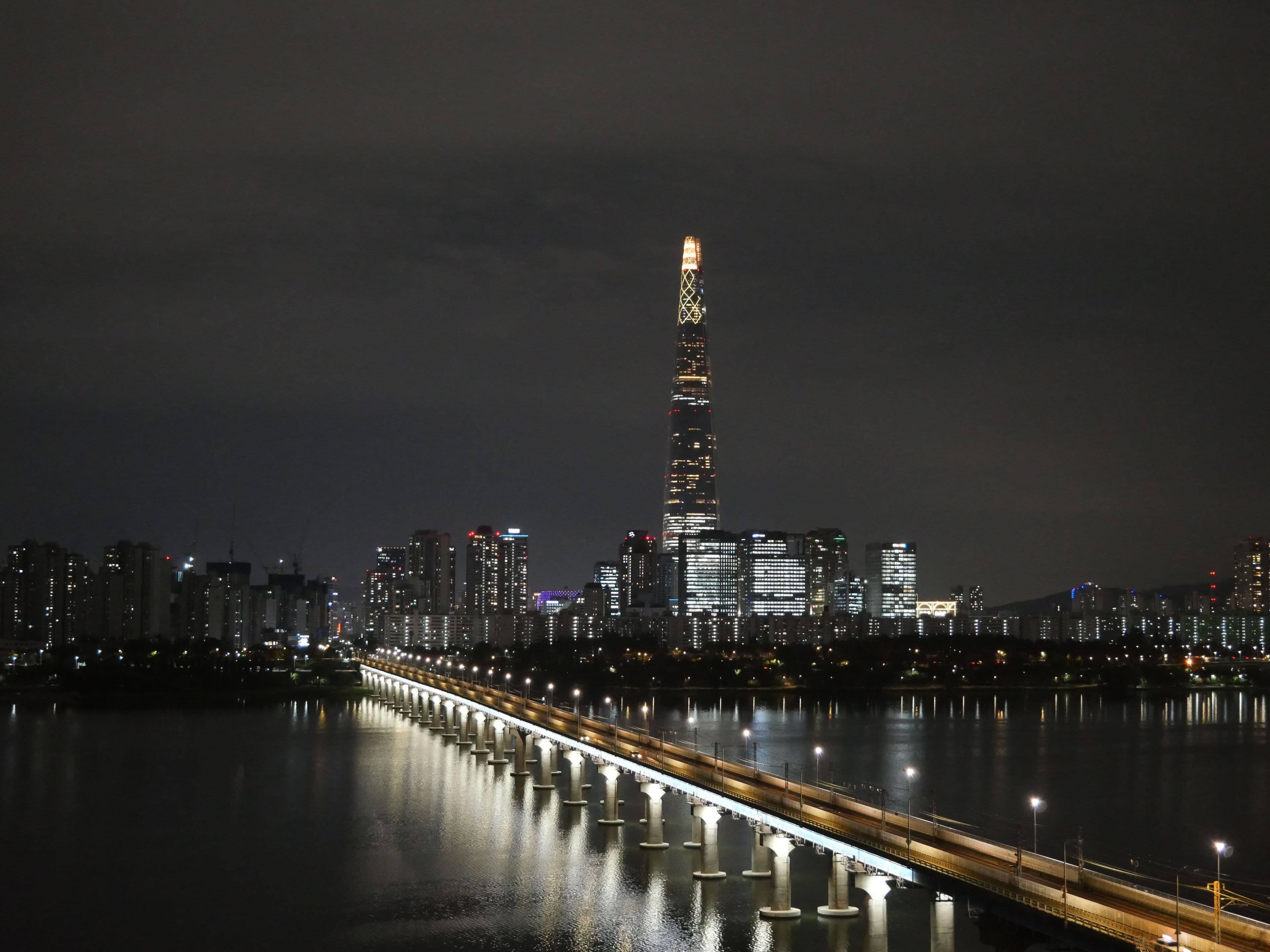
Check out and transfer to Osaka airport for the flight to Seoul. On arrival, check in at the hotel and settle in; the next four nights are spent in one place.
Overnight in Seoul. Meals: breakfast, lunch, dinner.
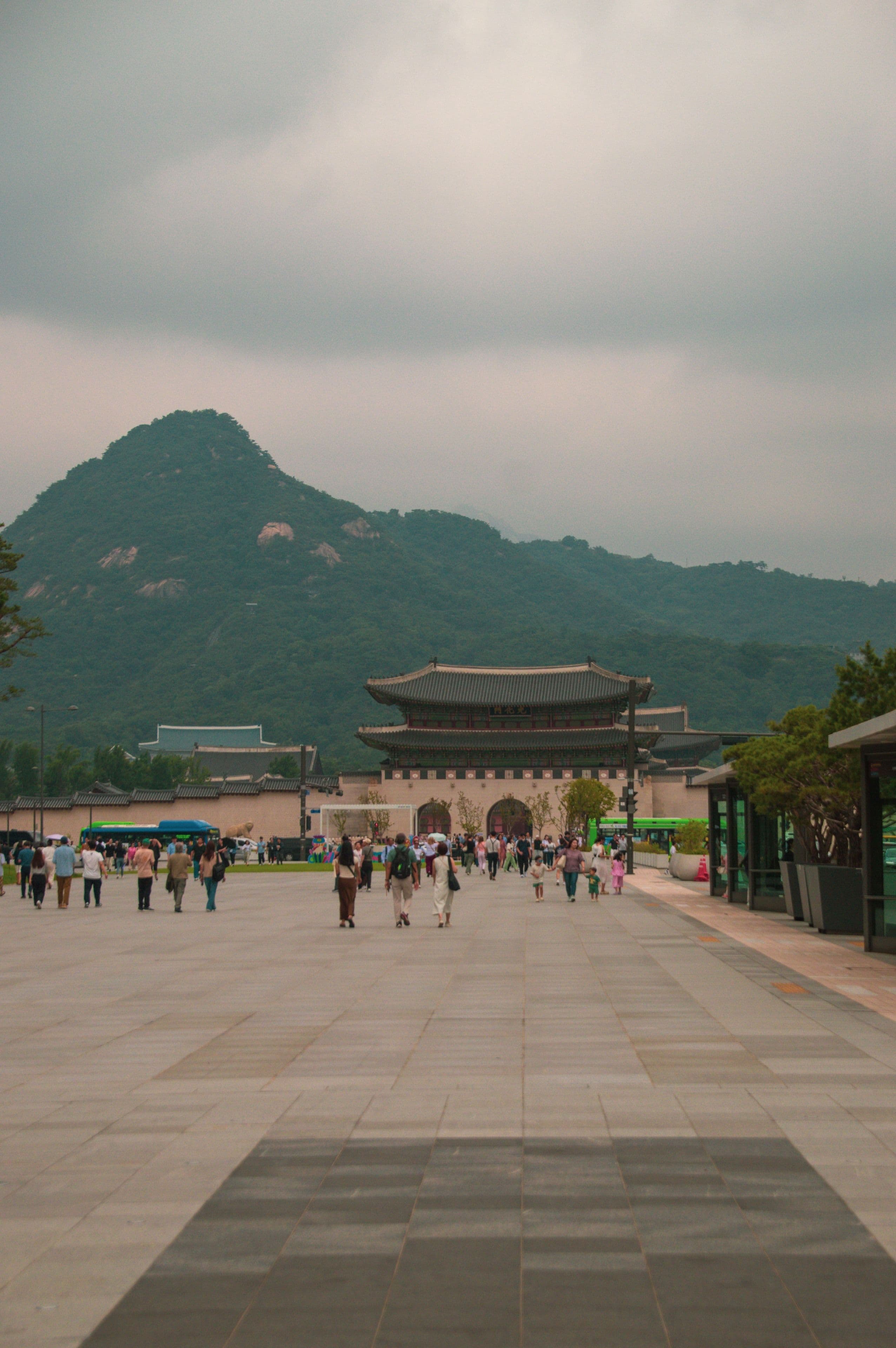
The city tour opens with Gyeongbokgung Palace, the first and largest royal palace of the Joseon Dynasty, built 1395, with the National Palace Museum on the grounds. Insadong follows, then Dongdaemun Design Plaza, the landmark that helped Seoul become World Design Capital in 2010. The day closes with the Han River cruise, passing the Blue House.
Overnight in Seoul. Meals: breakfast, lunch, dinner.

The drive runs to Namiseom, the half-moon island on the Bukhangang named for General Nami. The island is walked past nut pines, the metasequoia road and the ginkgo lane, with a birch path and a reed-field walkway, and galleries, museums and craft workshops between. The afternoon continues to the Garden of Morning Calm.
Overnight in Seoul. Meals: breakfast, lunch, dinner.
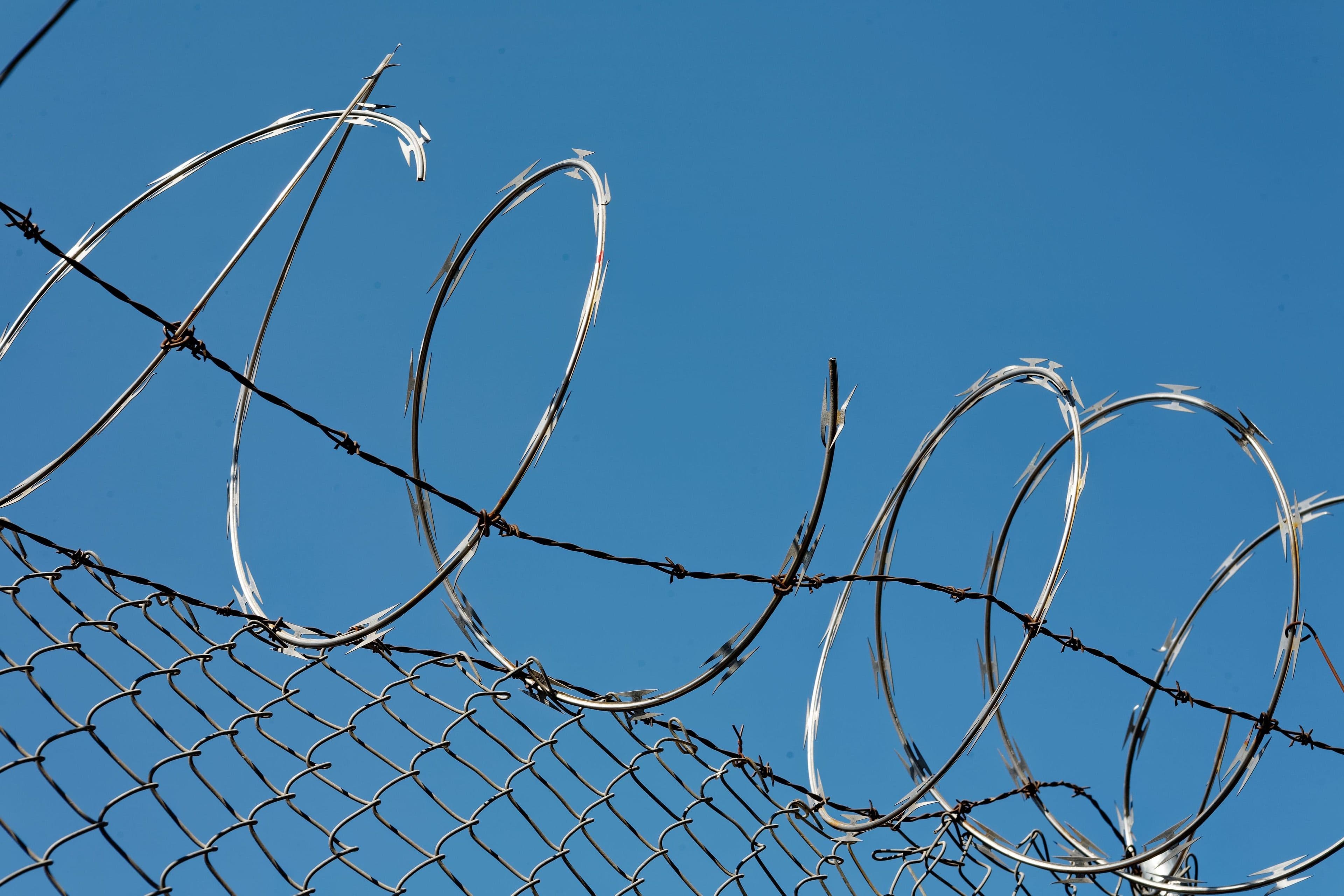
The day belongs to the Korean Demilitarized Zone. The visit covers Dorasan Peace Park, the monuments of Imjingak Park, the Freedom Bridge and its legends, the walk through the Third Infiltration Tunnel, the DMZ Theatre and Exhibition Hall, and the Dora Observatory's long look into North Korea; an alternate attraction replaces the observatory if the DMZ closes. The evening rises to N Seoul Tower.
Overnight in Seoul. Meals: breakfast, lunch, dinner.

Check out and transfer to Incheon International Airport. Board the flight home, and the tour ends with fond memories.
What's Covered & What's Not
Before you fly
Documents, the Essentials
Japan and South Korea visa files run through the Fortune desk.
01
Valid passport
An original passport valid for at least six months beyond the return date, with four blank pages; requirements can vary with the consulate.
02
Visa filed for you
Visa charges are inside the package and our desk files the application, though granting rests only with the consulate.
03
Rejection or delay
Visa fees and booking advances are not refunded if a visa is rejected or delayed; a rejection counts as a deemed cancellation from the rejection date.
04
Check your visa
The visa copy is emailed and sometimes the passport is posted home; check the sticker and confirm every personal detail and the validity dates before travel.
05
Insurance cover
Travel insurance to age 70 is included for Indian residents only; guests above 70 or on foreign passports arrange their own cover.
06
Mind your passport
A lost passport abroad means police filing, embassy visits and new documents, all at the traveller's cost.
Tour Highlights
The Tokyo city tour: Ueno Park, Shibuya Crossing, Senso-ji Temple, Nakamise Street, and the Tokyo Skytree
The Mount Fuji day with the Lake Kawaguchiko cruise and the Panoramic Ropeway
TeamLab Planets Tokyo and the bullet train ride to Hiroshima
Hiroshima Peace Park, the Atomic Bomb Dome, and the Peace Memorial Museum
Osaka Castle at a photo stop
Todaiji Temple and the deer of Nara Park
Kinkakuji's gold leaf floors and the torii gates of Fushimi Inari in Kyoto
The Seoul city tour: Gyeongbokgung Palace, Insadong, Dongdaemun Design Plaza, and the Han River cruise
Nami Island and the Garden of Morning Calm
The DMZ day: Imjingak Park, the Freedom Bridge, the Third Infiltration Tunnel, and the Dora Observatory
N Seoul Tower above the whole city
Cancellation Policy
| When you cancel | Charge |
|---|---|
| More than 15 days before departure | 50% of the tour cost |
| Less than 15 days and up to 7 days before departure | 75% of the tour cost |
| Less than 7 days before departure | 100% of the tour cost |
Visa fees and flight tickets (onward & return) are non-refundable in all cases. Cancellation requests run only by email from the registered email ID.
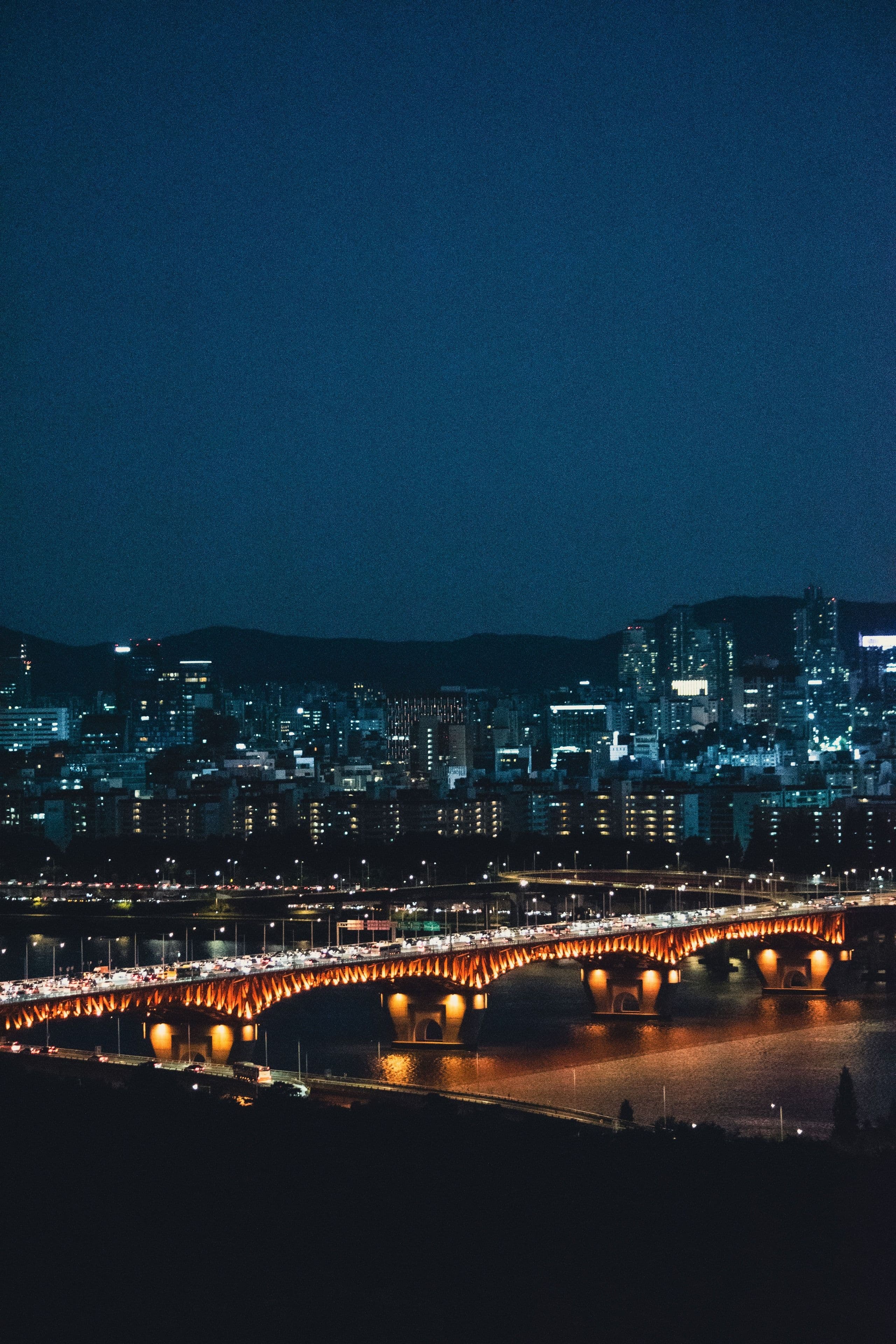
From the Skytree to the Seoul Skyline.
Ten nights across Japan and Korea with flights, visas, meals, the bullet train and a Malayalee tour manager all inside one booking. Call us and the desk starts your file.
Most hotels run twin beds, and a double is usually queen size rather than king.
Standard rooms across East Asia average 15 to 18 square metres, so pack with that in mind.
A third bed is usually a rollaway; short of rollaways, hotels may give a double plus a separate single. The desk suggests a twin plus a single supplement instead of a triple.
A mix of continental and local dishes, and queues at breakfast in peak season are normal in both countries.
Hotels run centralized air conditioning set for the whole property, while restaurants and attractions are mostly naturally ventilated.