

Croatia: A Coastline of a Thousand Islands
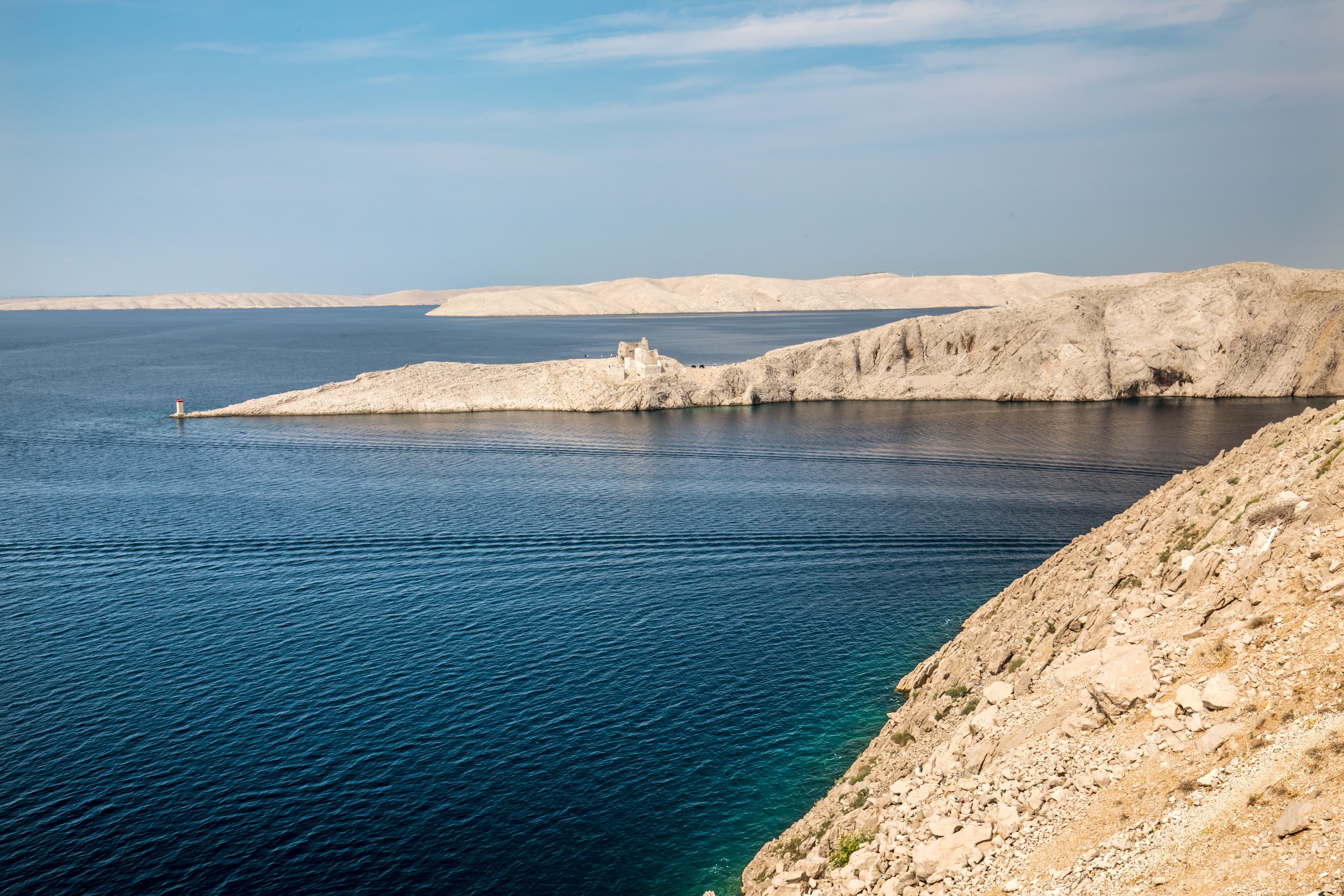
Walled cities of pale stone, waterfalls stacked sixteen lakes high, and islands scattered across a sea so clear the boats look like they are floating on air. One country, and the whole Adriatic to yourselves.
One Sea, Endlessly Generous.
Croatia keeps its promises extravagantly. Dubrovnik's medieval walls circle a city of marble lanes so cinematic that television made it King's Landing. Split goes one better: a Roman emperor's retirement palace that never emptied, its courtyards now cafés and homes seventeen centuries on. Offshore, more than a thousand islands scatter across the Adriatic, threaded by ferries; inland, the Plitvice Lakes spill into each other down sixteen turquoise terraces. Croatia now sits inside the Schengen zone, so one visa covers the coast and its famous neighbours, and a single smooth connection from Kochi puts you on the Adriatic. Few coastlines reward a week this richly, and we plan every step of it.
The Stretches That Fill a Croatia Trip.
Most journeys land in Zagreb or Split and travel the coast southward. These are the pieces.
Zagreb and the Waterfall Country
The café-filled capital of squares and markets
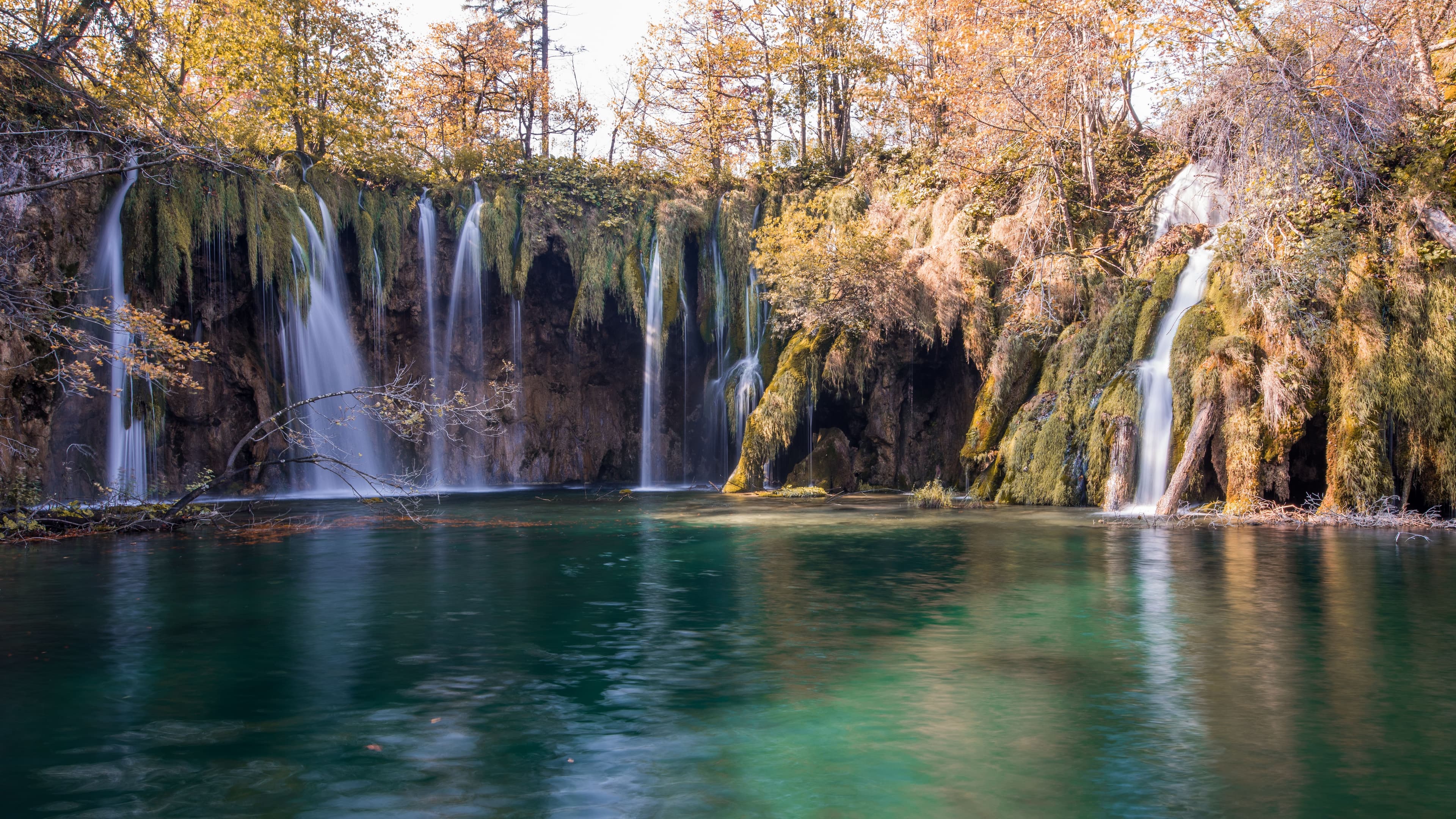
With Plitvice's sixteen terraced lakes two hours south, turquoise water tumbling over ledges beneath wooden walkways, and Zadar's sea organ playing the sunset on the coast beyond.
Split and the Dalmatian Islands
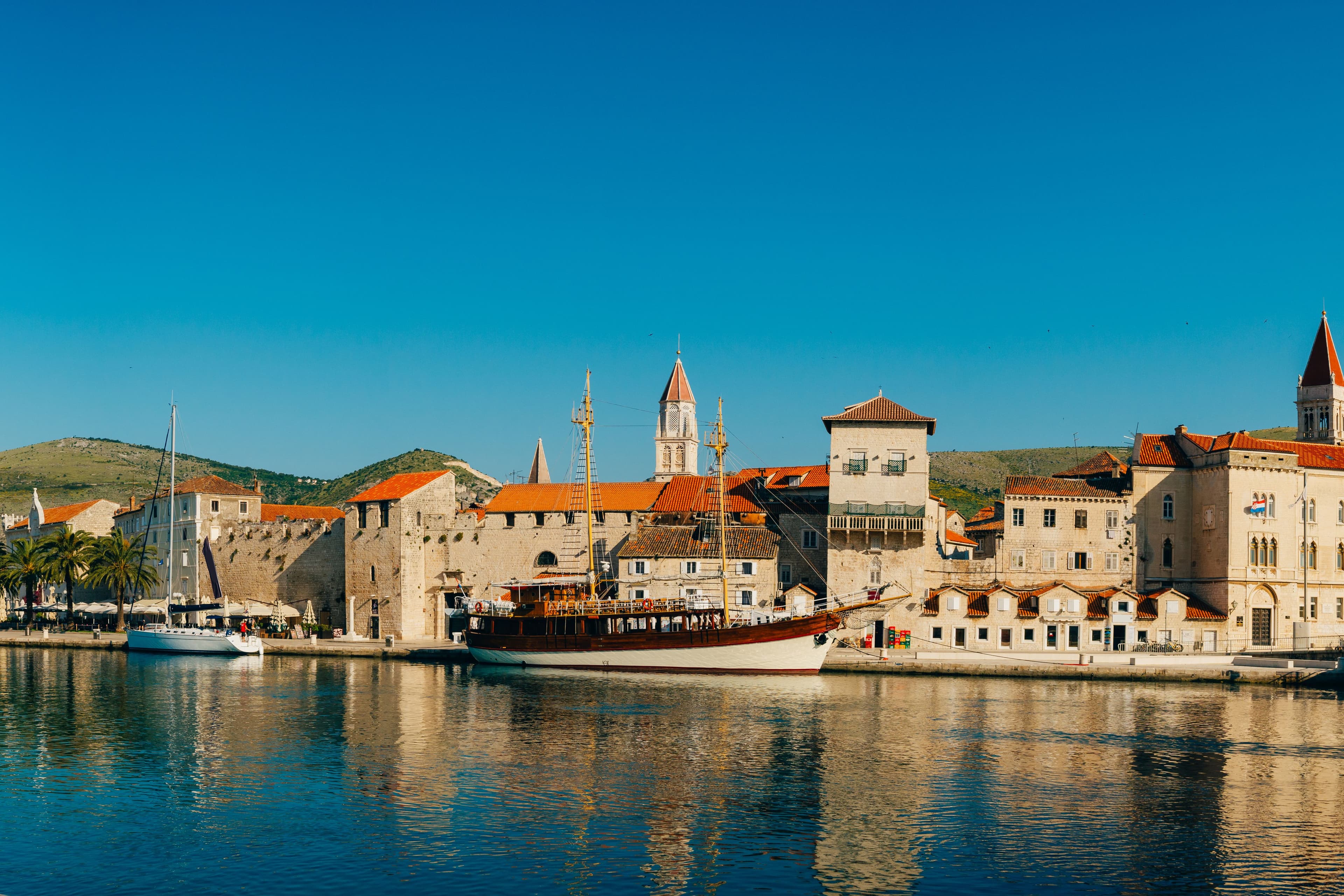
Diocletian's Palace, a Roman retirement home that grew into a living city, opens onto the palm-lined Riva
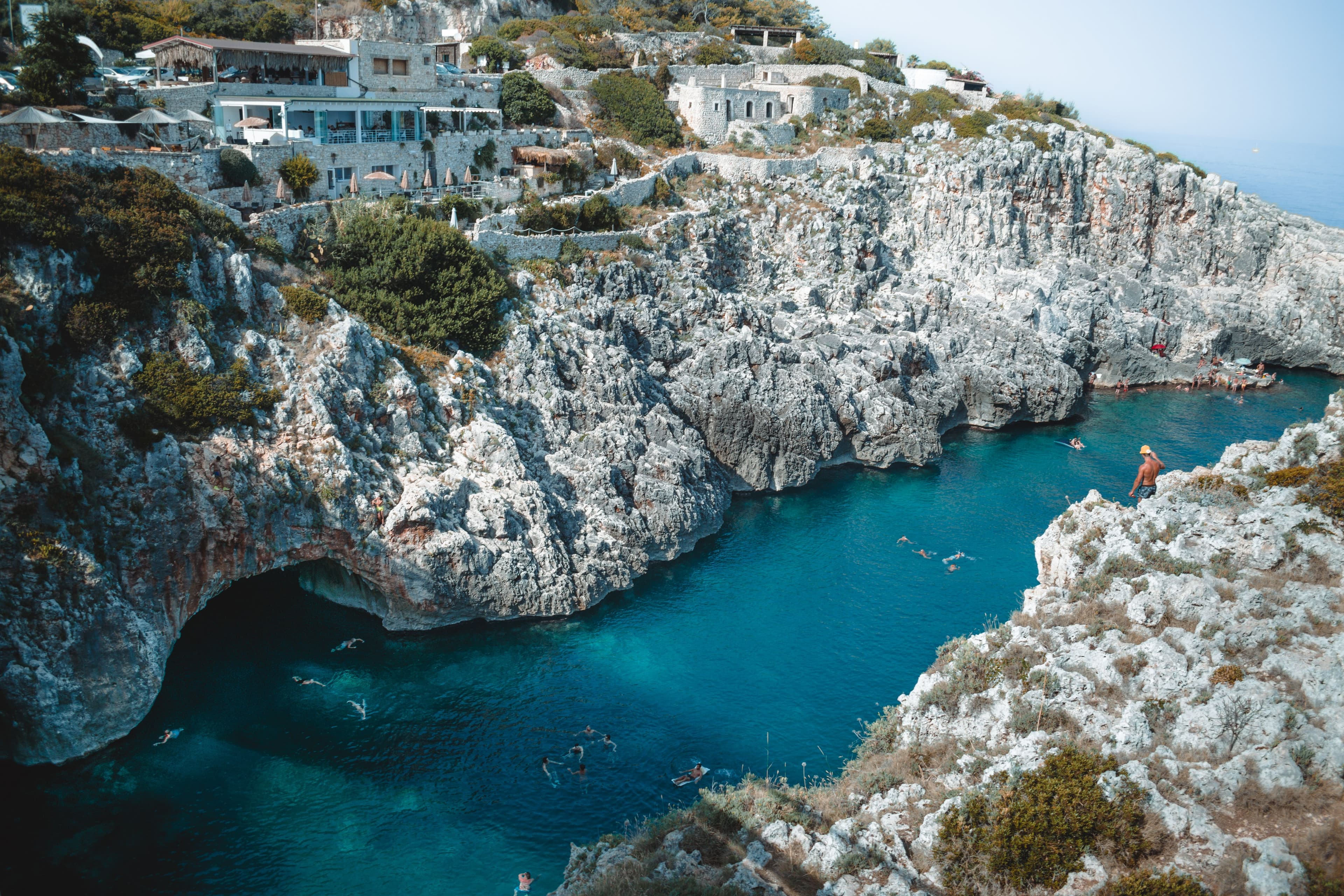
Ferries fan out to Hvar's lavender hills and harbour evenings, Brač's famous golden-horn beach at Zlatni Rat, and quiet Vis, kept secret from the world for decades.
Dubrovnik and the South
The Pearl of the Adriatic
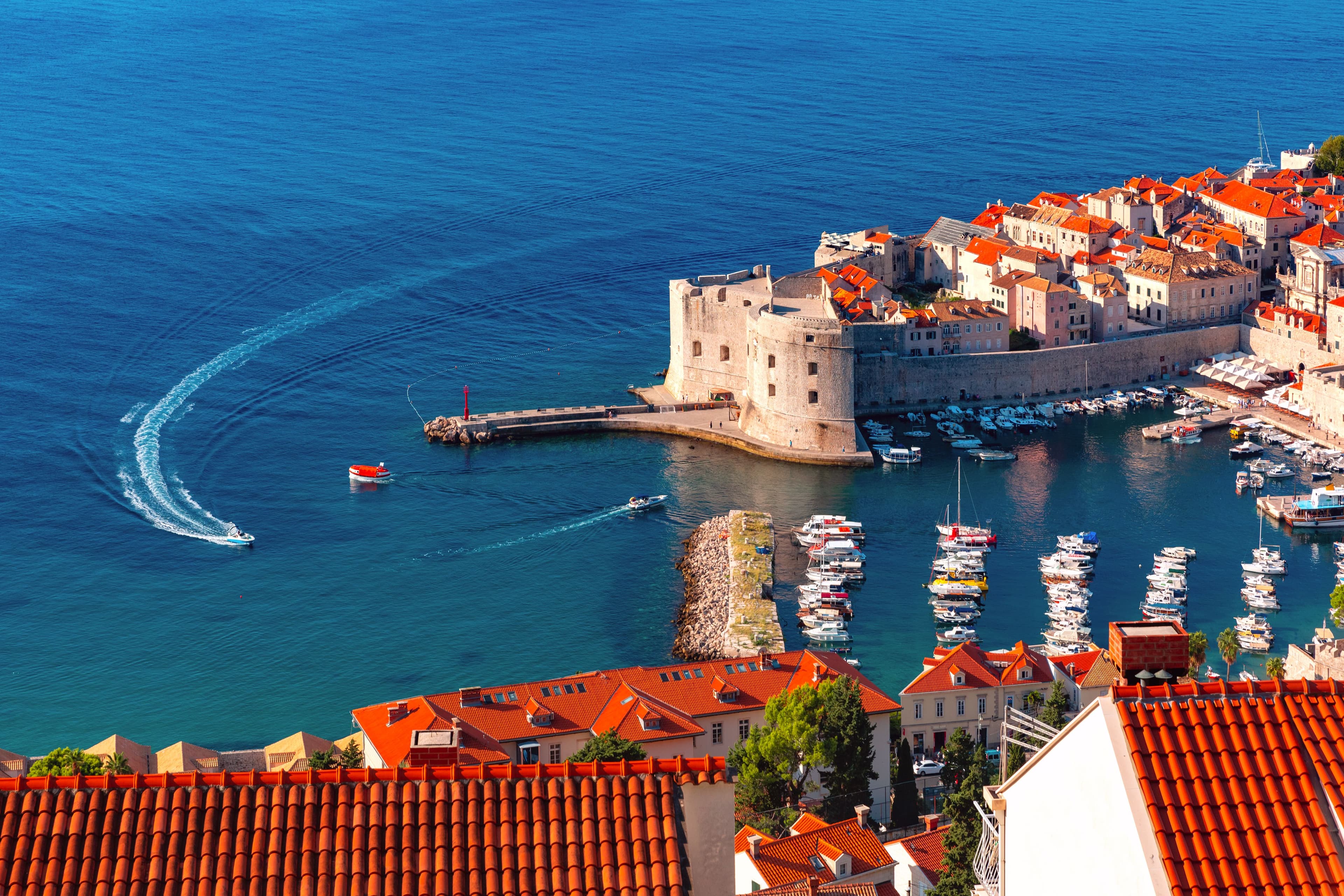
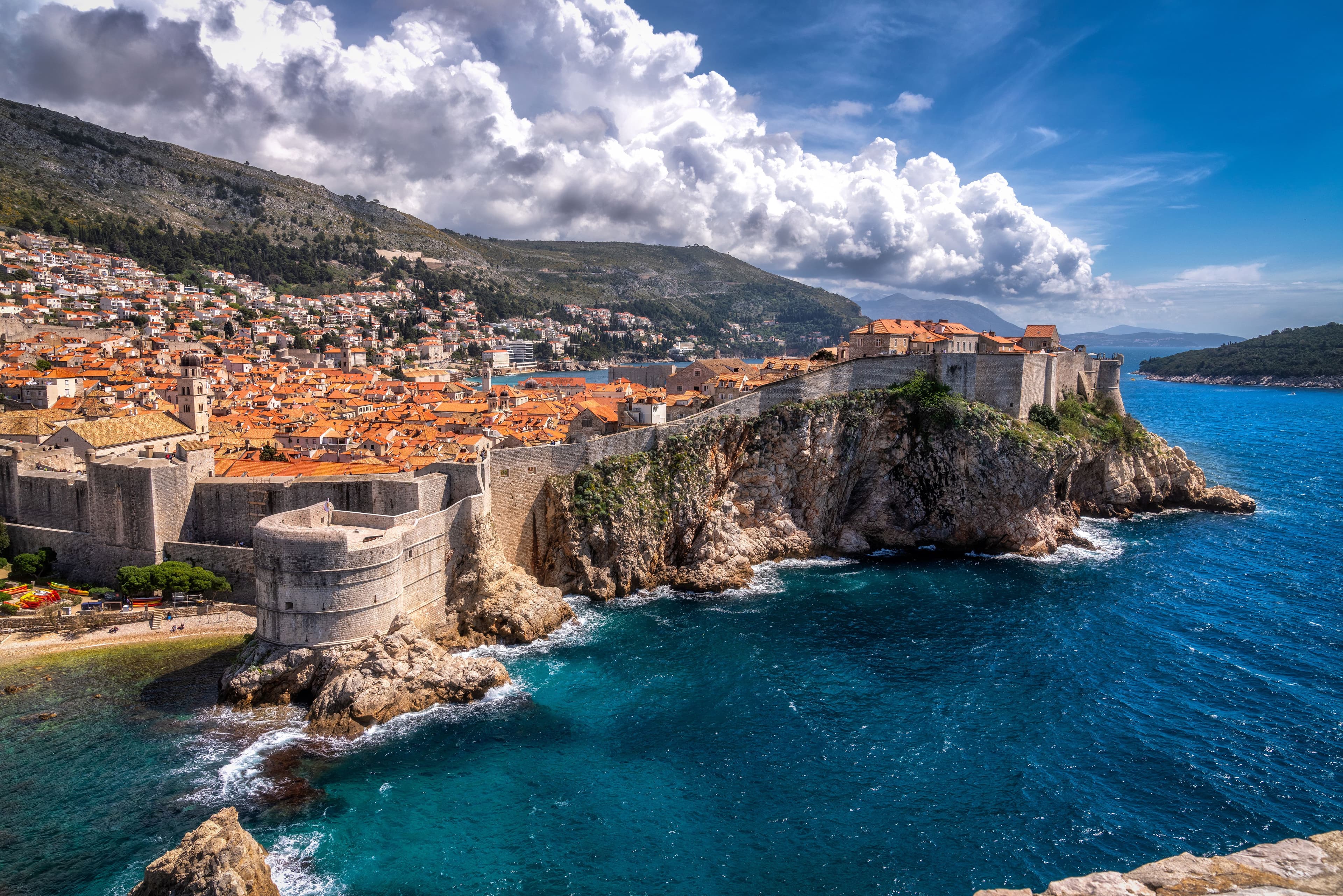
Two kilometres of medieval wall wrap around marble streets and terracotta roofs, with Lokrum island a short boat ride out and the oyster beds of Ston up the coast. Game of Thrones fans will recognise every gate.
Istria and the North
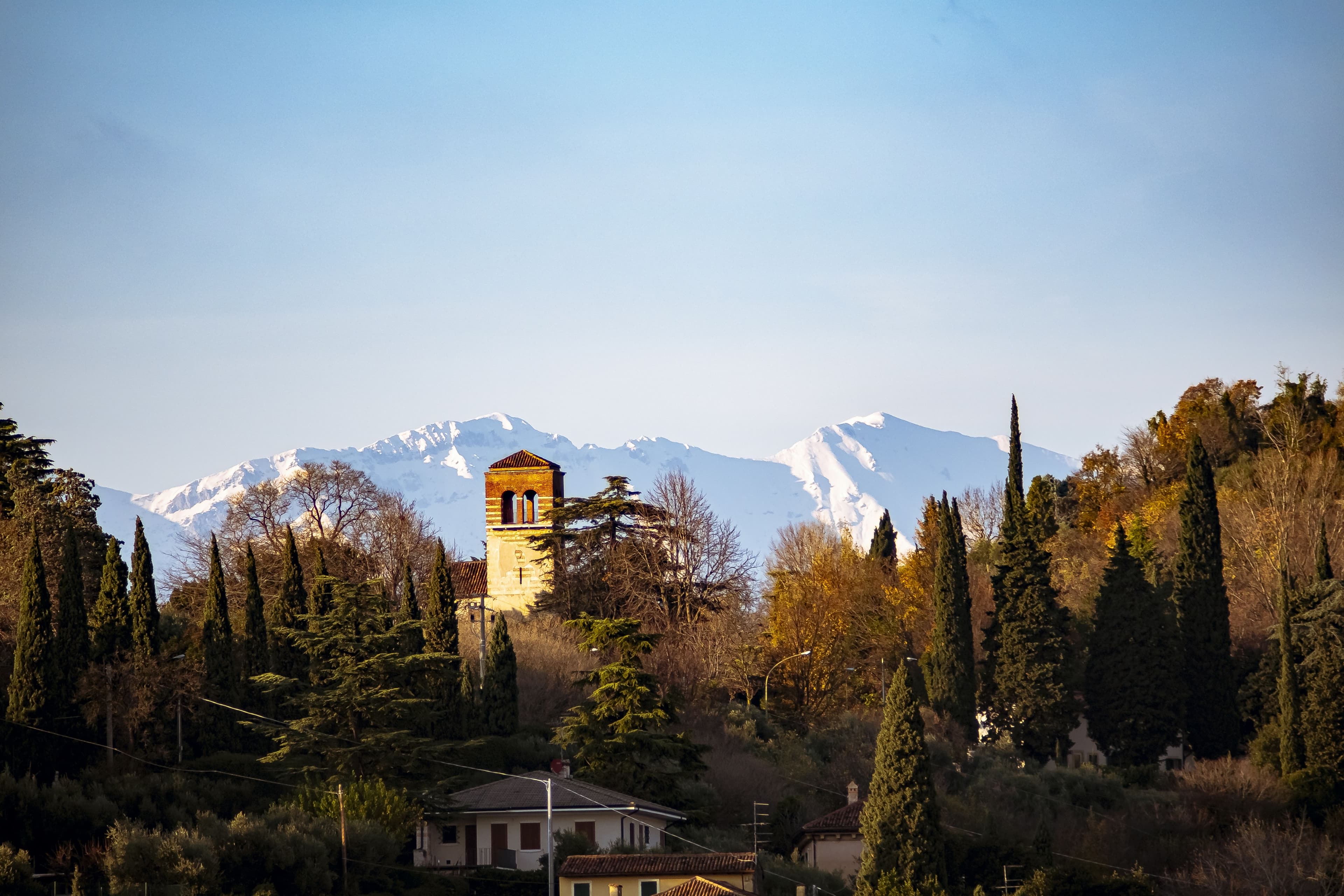
A heart-shaped peninsula where Venetian harbour towns like Rovinj tumble into the sea
Pula keeps a Roman arena on the waterfront, and hilltop villages hunt truffles in the oak woods while lunch stretches gently into the afternoon.
Croatia, in brief.
A thousand islands, a dozen walled towns, and one long blue coastline, strung together by ferries and coastal roads. The essentials first.
Sunset on the Walls of Dubrovnik
Two Kilometres of Stone Above a Very Blue Sea
Dubrovnik's walls have circled the old town for centuries, unbroken, and the walk along their top is the finest two kilometres in the Mediterranean: terracotta roofs on one side, open sea on the other, fortress towers at every turn. Below, the marble Stradun gleams like water, polished by five hundred years of footsteps, and the lanes climbing off it hold chapels, courtyards, and the film sets an entire generation knows as King's Landing. Midday belongs to the crowds, so we give you the walls when they empty, late in the afternoon when the stone turns gold and the sea deepens, then send you up Mount Srđ by cable car for sunset over the rooftops and islands. From that height the whole walled city looks carved from a single piece of amber, and it is yours for as long as the light lasts.
Sixteen Lakes That Fall Into Each Other.
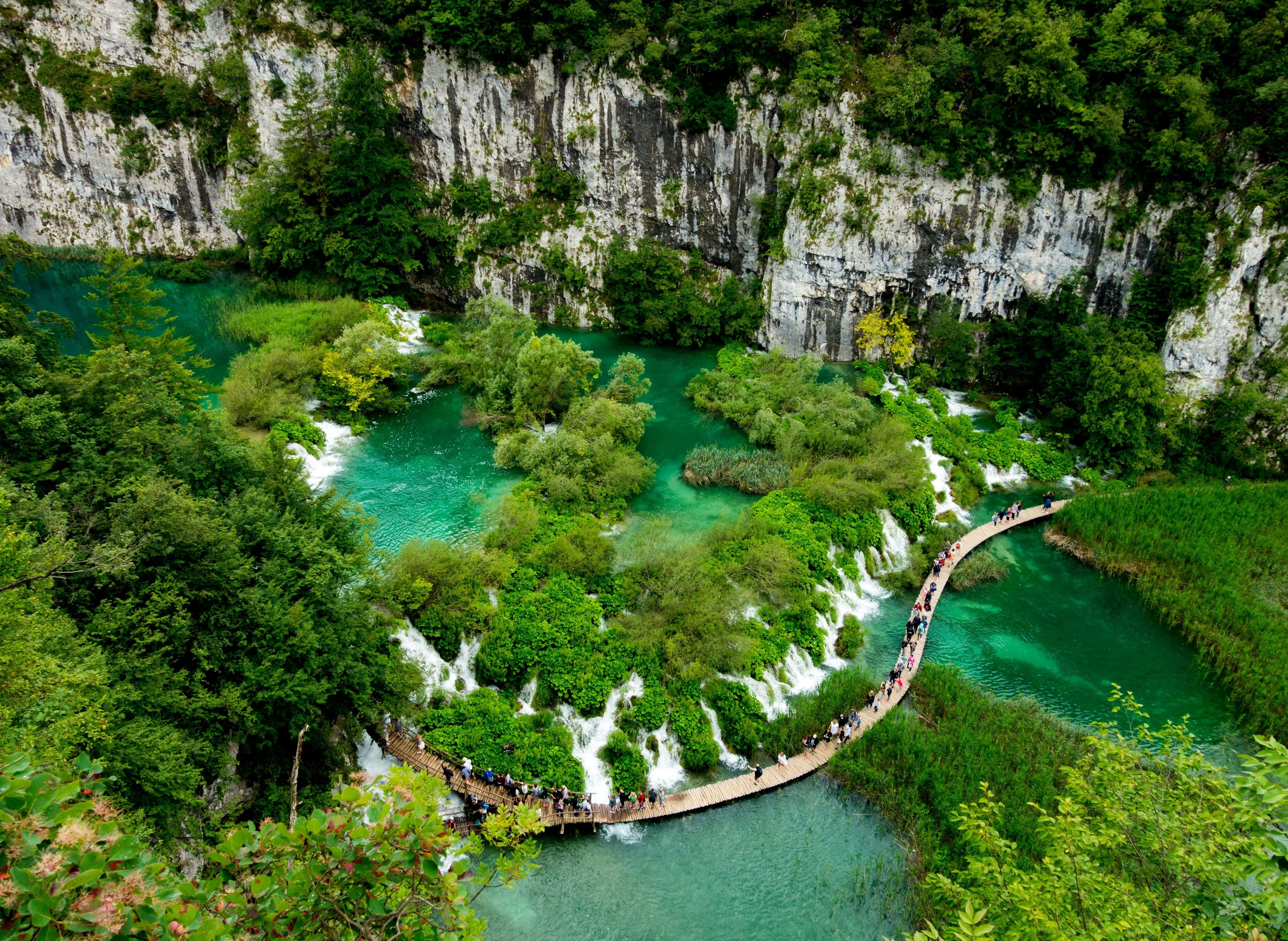
Plitvice is Croatia's inland miracle: sixteen lakes stacked down a wooded valley, each one spilling into the next over ledges of living limestone, the water shifting from turquoise to jade with the light. Wooden boardwalks run right across the surface, so waterfalls pour beside your feet, and a quiet electric boat crosses the largest lake mid-walk. Entry is by timed ticket and summer slots sell out, so we hold yours in advance and start you early, when the mist is still lifting and the paths are nearly empty.
A Week Follows the Coast, Ten Days Adds the Islands.
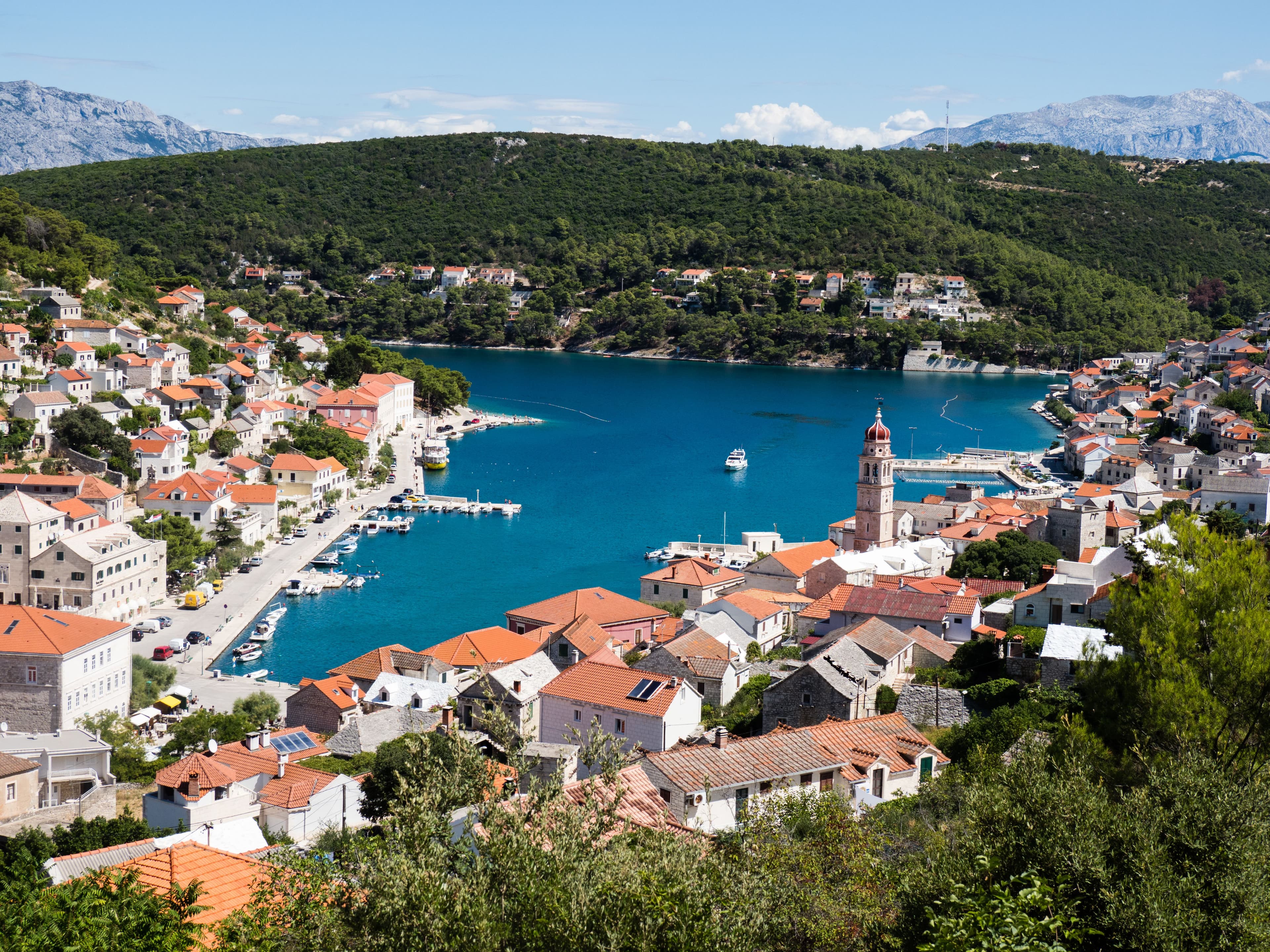
Croatia plans run north to south, and the reward grows as you go. A classic week lands in Zagreb, walks Plitvice the next morning, then settles into Split for the palace and a ferry day to Hvar or Brač before finishing on Dubrovnik's walls, cities first, so the trip ends at its most beautiful. Ten days adds a second island or Istria's truffle country, and September trades the crowds for a sea still warm from summer. The borders sit close too: Slovenia's lakes beside Zagreb, Italy just past Istria, and Montenegro's Bay of Kotor a day south of Dubrovnik. Send your dates and your party, and the full plan comes back, flights from Kerala included, shaped until it fits.
The Adriatic Deserves an Unhurried Plan.
20 Years of Experience
Two decades of journeys from Kerala, with Europe among our most planned and most loved.
Routes That Follow the Sun
North-to-south coastlines timed for warm seas and thin crowds, with Plitvice and city-wall tickets held in advance.
Tables That Taste of Home
Indian dinners arranged in Zagreb, Split, and Dubrovnik, with vegetarian options mapped across the islands.
One Booking, Door to Door
Flights, visa file, hotels, ferries, and island transfers held together by a single Fortune team.
FAQ
Questions with useful answers
There is no direct flight, but a single smooth connection takes you from Kochi or Trivandrum to Zagreb, Split, or Dubrovnik through the Gulf or a European hub. We route by season and fare, so the coast begins as soon as possible.
Yes. Croatia is now part of the Schengen zone, so one Schengen visa covers Croatia and its European neighbours on a combined trip. Fortune prepares the complete file, forms, appointments, hotel proofs, and insurance; start 45 to 60 days before travel and the process stays unhurried.
May to October is the season, and June and September are the sweet spots: the sea warm, the harbours calm, the crowds thin. July and August are the liveliest and busiest months, and Plitvice rewards every month it is open.
Easily. Ferries and fast catamarans link the islands like local buses, day boats run to blue caves and hidden coves, and for a celebration we can add a private boat day. You sleep in old towns and hop by water at your own pace.
It is generous to both. Couples get lavender evenings on Hvar, dinners inside walled towns, and sunsets from the ramparts, while families get beaches, boat days, and palace lanes to explore, with short, scenic distances in between.
Yes. Slovenia's Lake Bled sits beside Zagreb and Italy lies just past Istria, all on the same Schengen visa, and many guests add a day to Montenegro's Bay of Kotor from Dubrovnik. We confirm the entry formalities for your passports before you fly.