

Hungary: The Grandest City You Haven't Considered
A parliament that looks like a cathedral, hot springs you swim in while it snows, a river cruise past a city lit gold, and prices that will make you check the bill twice. Europe's best-value grand tour.
Imperial Grandeur, Without the Imperial Price.
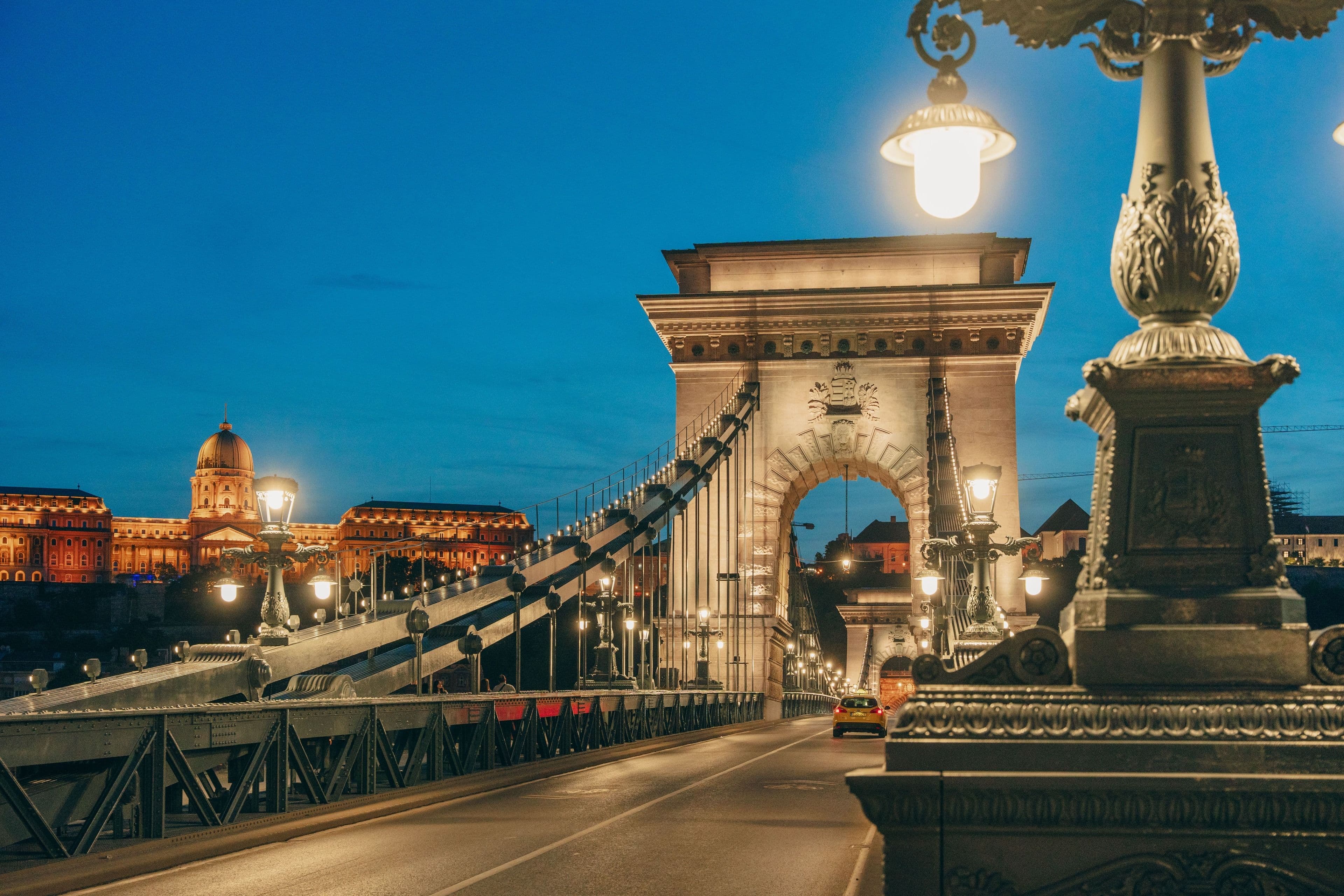
Budapest was built to be a capital of empire, and it still looks the part. The Parliament stands on the Danube with a red dome and white spires, the largest building in the country and one of the most photographed in Europe. Buda Castle crowns the hill on one bank while Pest spreads flat and busy on the other, joined by the Chain Bridge. Underneath it all runs hot water: over a hundred thermal springs feed grand bathhouses where locals play chess in the steam. Beyond the city are castle towns, the Danube Bend, and the wine cellars of Eger and Tokaj. Best of all, it is markedly cheaper than Vienna or Prague for the same grandeur, it sits inside the Schengen zone, and a single Gulf connection from Kochi puts you there. We plan every step of it.
The Corners That Fill a Hungary Trip.
Most journeys base in Budapest and travel out along the river and into the wine country. These are the pieces.
Buda and the Castle Hill
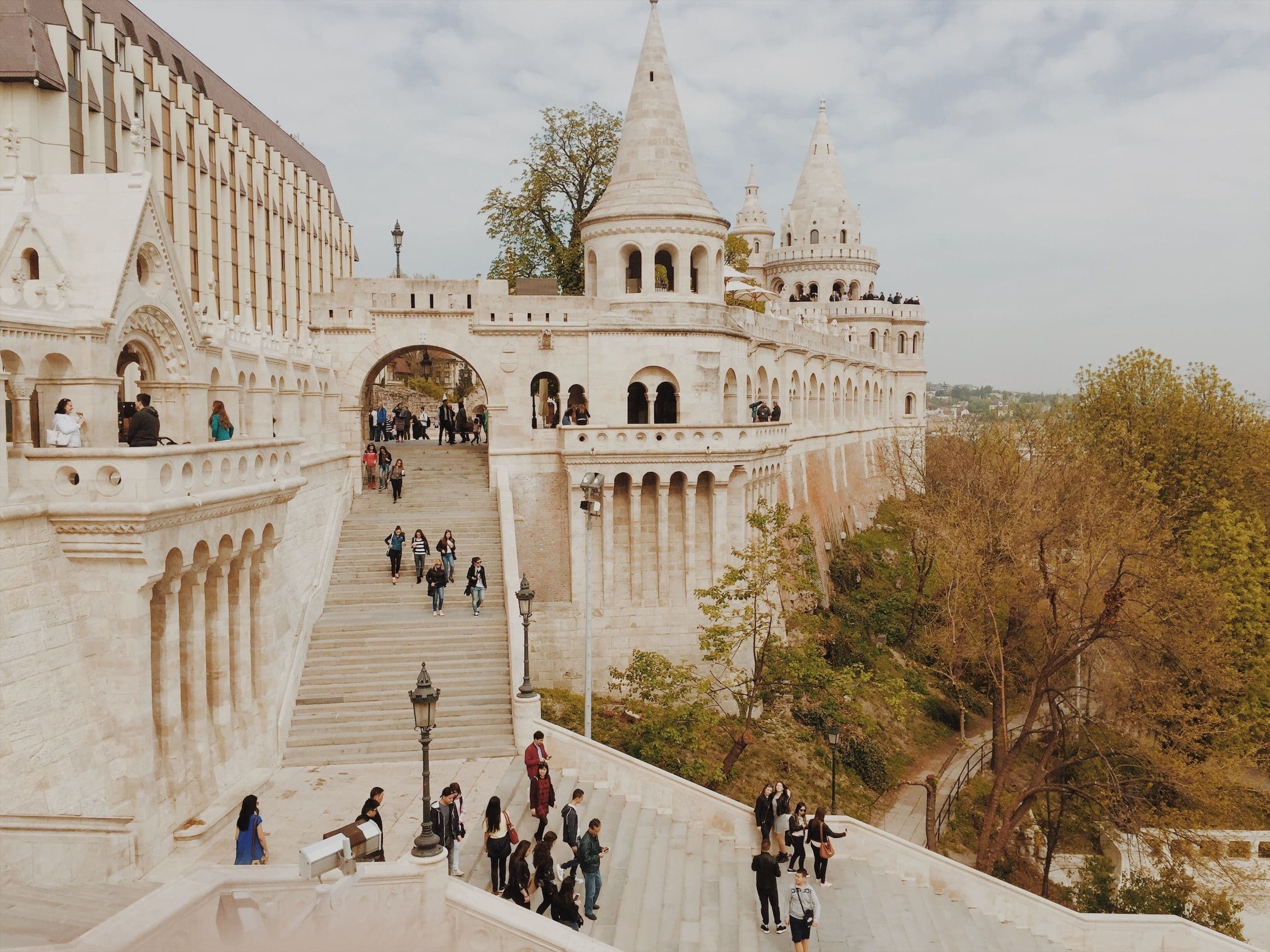
The old royal side above the river
With Buda Castle, the fairy-tale turrets and arcades of Fishermen's Bastion, the tiled roof of Matthias Church, and the Gellért Hill lookout where all of Budapest opens out below you.
Pest and the Danube Bank
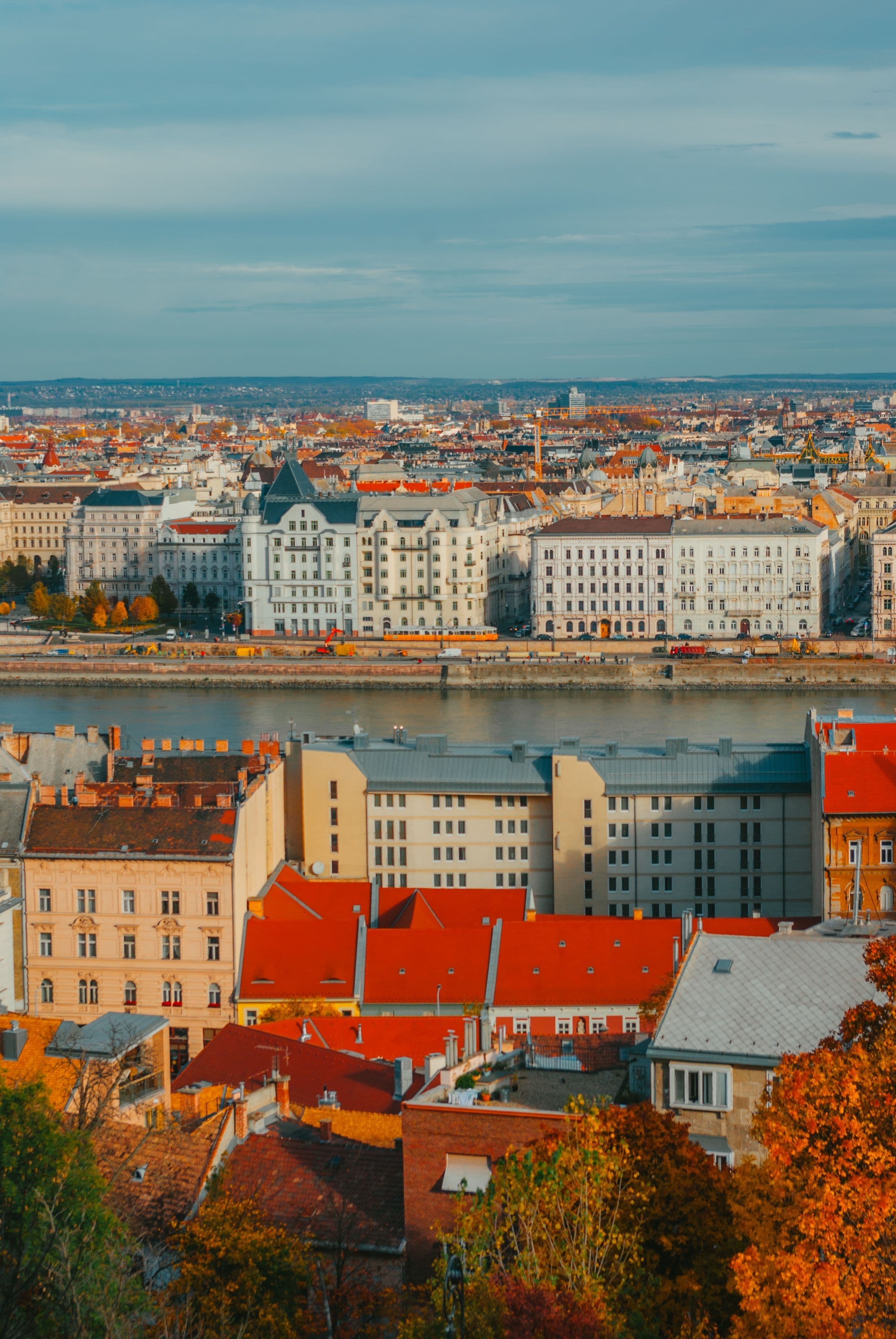
The grand flat side of the city
With the Parliament and its crown jewels, St Stephen's Basilica, the vast Széchenyi thermal baths, the Great Market Hall, Heroes' Square, and the ruin bars tucked into old courtyards.
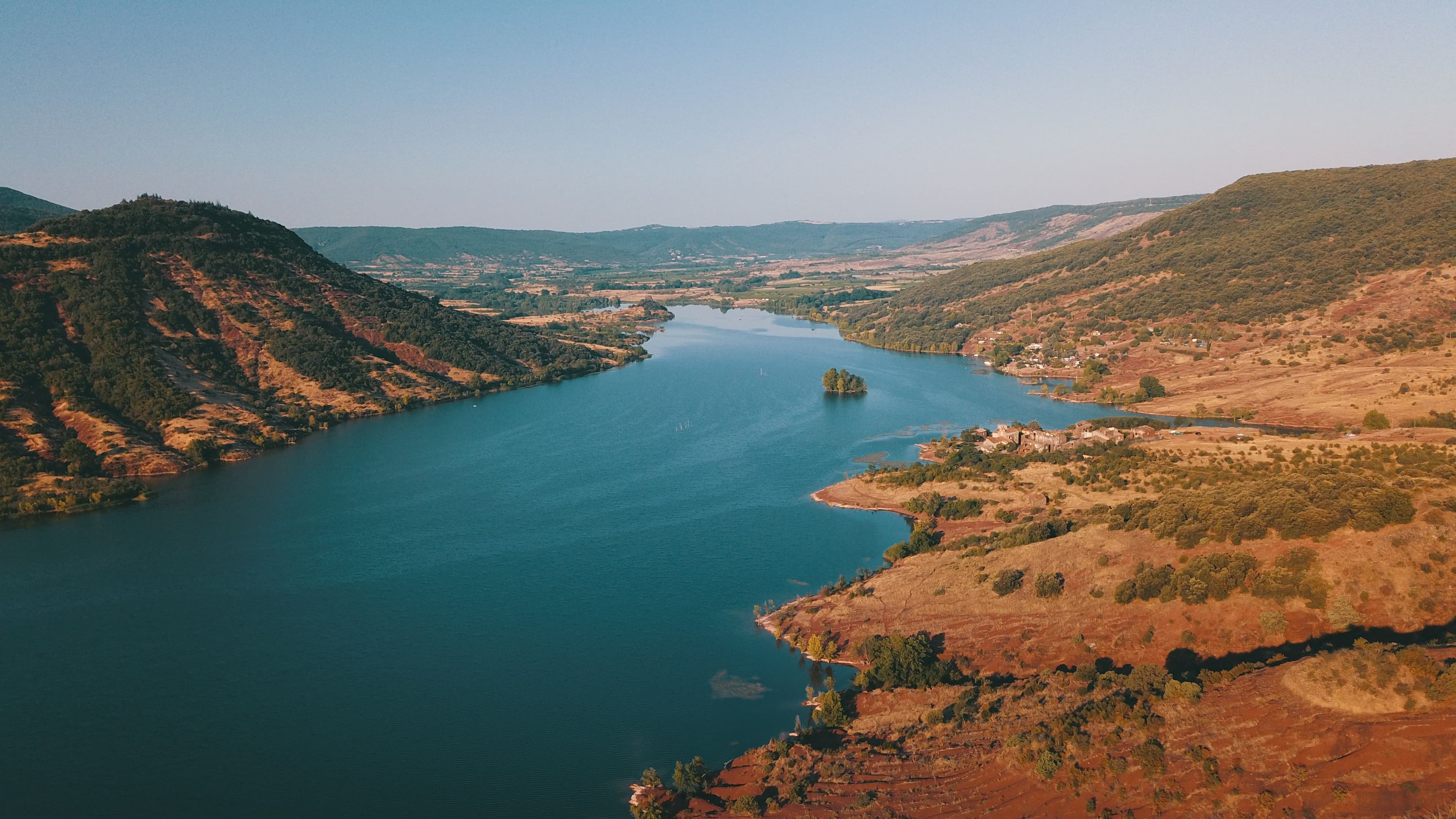
The Danube Bend
An hour north, where the river turns sharply between hills
Taking in the hilltop basilica at Esztergom, the artists' town of Szentendre with its cobbled lanes and galleries, and the medieval castle at Visegrád above the water.
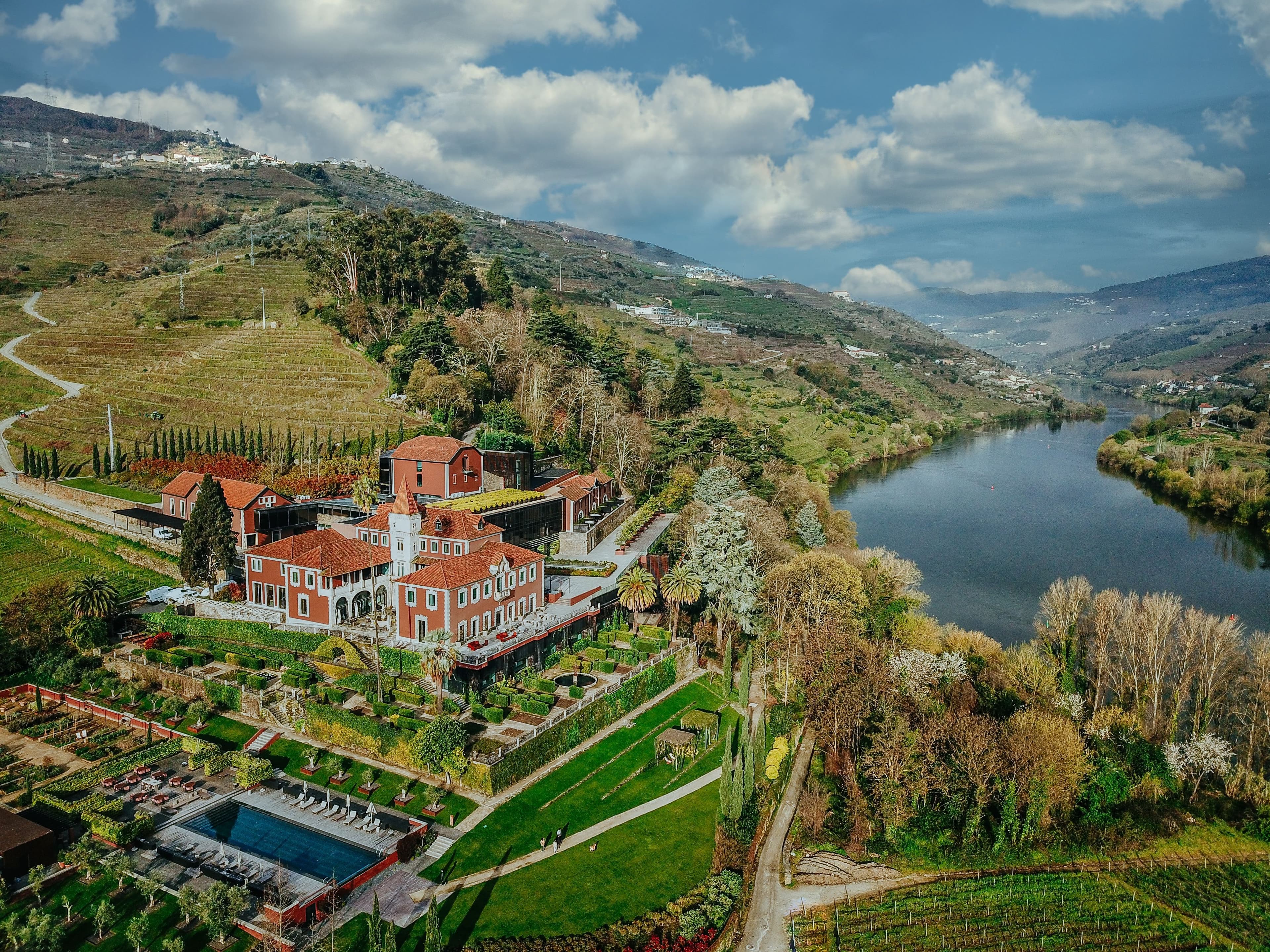
Eger, Tokaj and Lake Balaton
Baroque Eger with its castle and Valley of the Beautiful Women wine cellars
Tokaj's UNESCO vineyards, and the long summer shoreline of Lake Balaton, the largest lake in Central Europe.
Hungary, in brief.
An imperial capital on a great river, thermal baths, castle towns and wine valleys, all at gentle prices. The essentials first.
Budapest After Dark

The Hour When the Whole City Turns to Gold
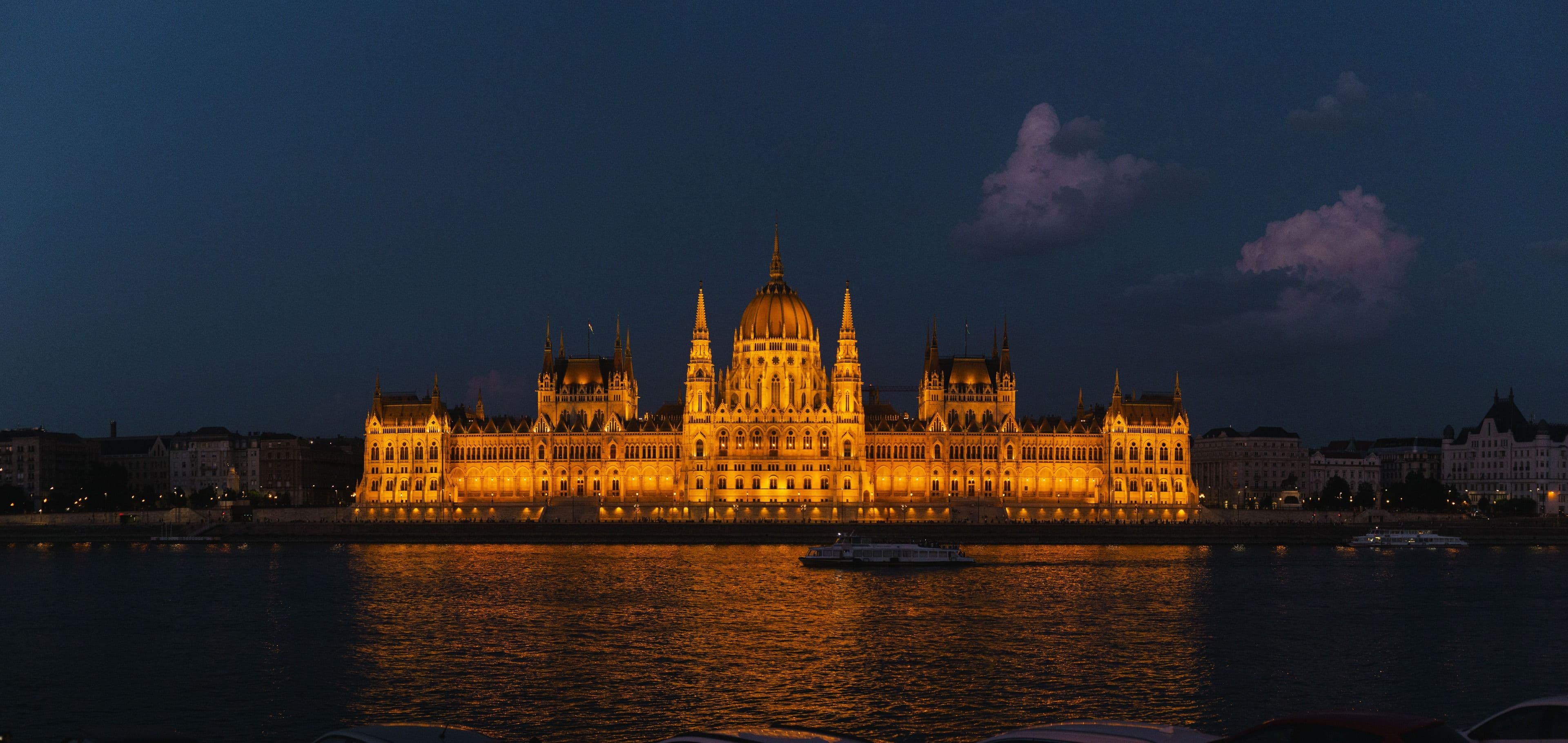
Budapest is really two old cities, hilly Buda and flat Pest, facing each other across the Danube and stitched together by bridges. By day they are handsome. After sunset they are something else: floodlights come on across the Parliament, the Castle, the Basilica and the Chain Bridge, and the whole riverfront doubles itself in the black water. The right way to see it is from the middle of the river. An evening cruise runs the stretch between the bridges with dinner or without, and the Parliament from the water, lit and reflected end to end, is the single image people carry home from Hungary. We time the boat for the blue hour just after sunset, when the sky still holds colour behind the lights, and the photographs need no filter at all.

The City Built on Hot Water.
More than a hundred thermal springs rise under Budapest, and the city has been bathing in them since the Romans, with the Turks adding domed bathhouses of their own five hundred years ago. The grandest is Széchenyi, a yellow neo-baroque palace whose outdoor pools stay steaming through winter, and the sight of snow falling on people playing chess in the water is pure Budapest. Gellért is the more beautiful, all art nouveau tiles and stained glass. Bring swimwear, a towel and flip-flops, and expect to lose an entire afternoon happily. We book the cabins and the timing so you avoid the weekend crush.

Three Days for Budapest, a Week for the Country.
Hungary plans start in the capital, and Budapest fills three days without straining: the castle hill and the bastion, the Parliament and the basilica, a bath afternoon, and the river by night. A fourth day runs up the Danube Bend to Szentendre and Visegrád, and a fifth reaches Eger's cellars or Tokaj's vineyards. Beyond that, the borders do the work: Vienna is under three hours by train, Bratislava and Prague sit within reach, and the Prague, Vienna and Budapest triangle remains the best-value grand tour in Europe, all on one Schengen visa. Send your dates and your party, and the full plan comes back, flights from Kerala included, shaped until it fits.
Grand Doesn't Have to Mean Expensive.
20 Years of Experience
Two decades of journeys from Kerala, with Europe among our most planned and most loved.
Routes That Time the Light
The Danube cruise at blue hour, the baths outside weekend crowds, and December markets held early.
Tables That Taste of Home
Indian dinners arranged in Budapest, with vegetarian options mapped through the Danube Bend and the wine country.
One Booking, Door to Door
Flights, visa file, hotels, trains, cruise seats and bath entries held together by a single Fortune team.
FAQ
Questions with useful answers
A single smooth Gulf connection takes you from Kochi or Trivandrum to Budapest, usually landing the same day. Many travellers also arrive by train from Vienna or Prague on a combined trip, and we book whichever route serves the plan best.
Yes, a Schengen visa, and the same visa covers Austria, Czechia, Slovakia and the rest of the zone on a combined trip. Fortune prepares the complete file, forms, appointments, hotel proofs and insurance; start 45 to 60 days before travel and the process stays unhurried.
April to October is the generous season, with warm summers and a golden autumn, while December brings Christmas markets around St Stephen's Basilica and steaming outdoor baths in the cold. Budapest works year round.
Yes. Szechenyi has warm shallow pools alongside the hotter ones and is used by families all year. Carry swimwear, towels and flip-flops, and we advise the quieter hours so it never feels crowded.
It is among the best value grand destinations in Europe. Hotels, meals and sightseeing all cost noticeably less than in Western Europe, which is why many Kerala travellers pair it with Vienna and Prague to keep a multi-city trip within budget.
Very easily. Vienna is under three hours by train and Prague a comfortable connection beyond it, making the three-capital circuit the classic route, all on a single Schengen visa with no extra flights.