

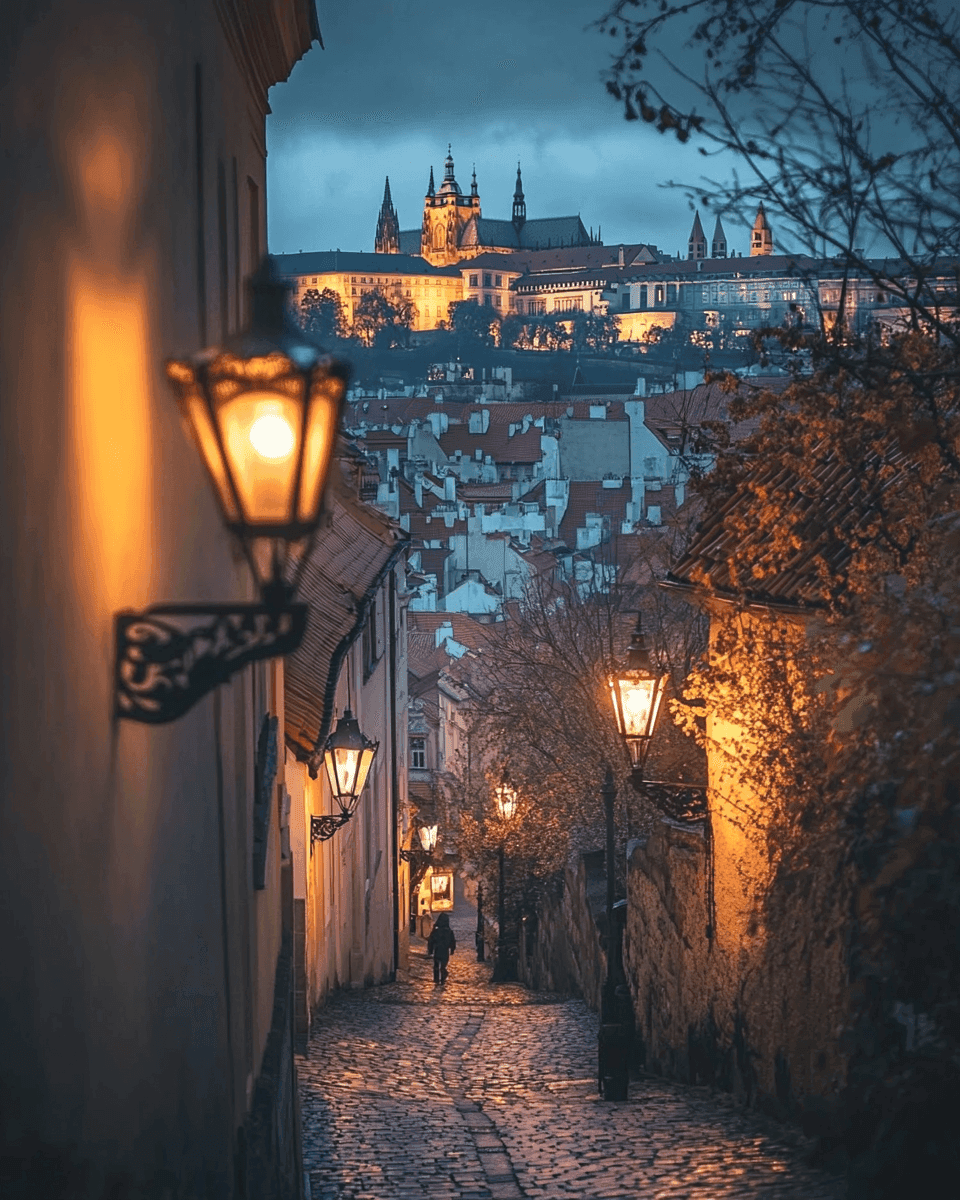
Lithuania Holidays From Kerala, Europe's Best-Kept Secret
A baroque old town that goes on for streets, a hundred thousand crosses on a single hill, castles on lake islands, and sand dunes rolling into the Baltic Sea. Nobody expects Lithuania, and everybody comes back surprised.
The Country Most Travellers Skip, and Shouldn't.
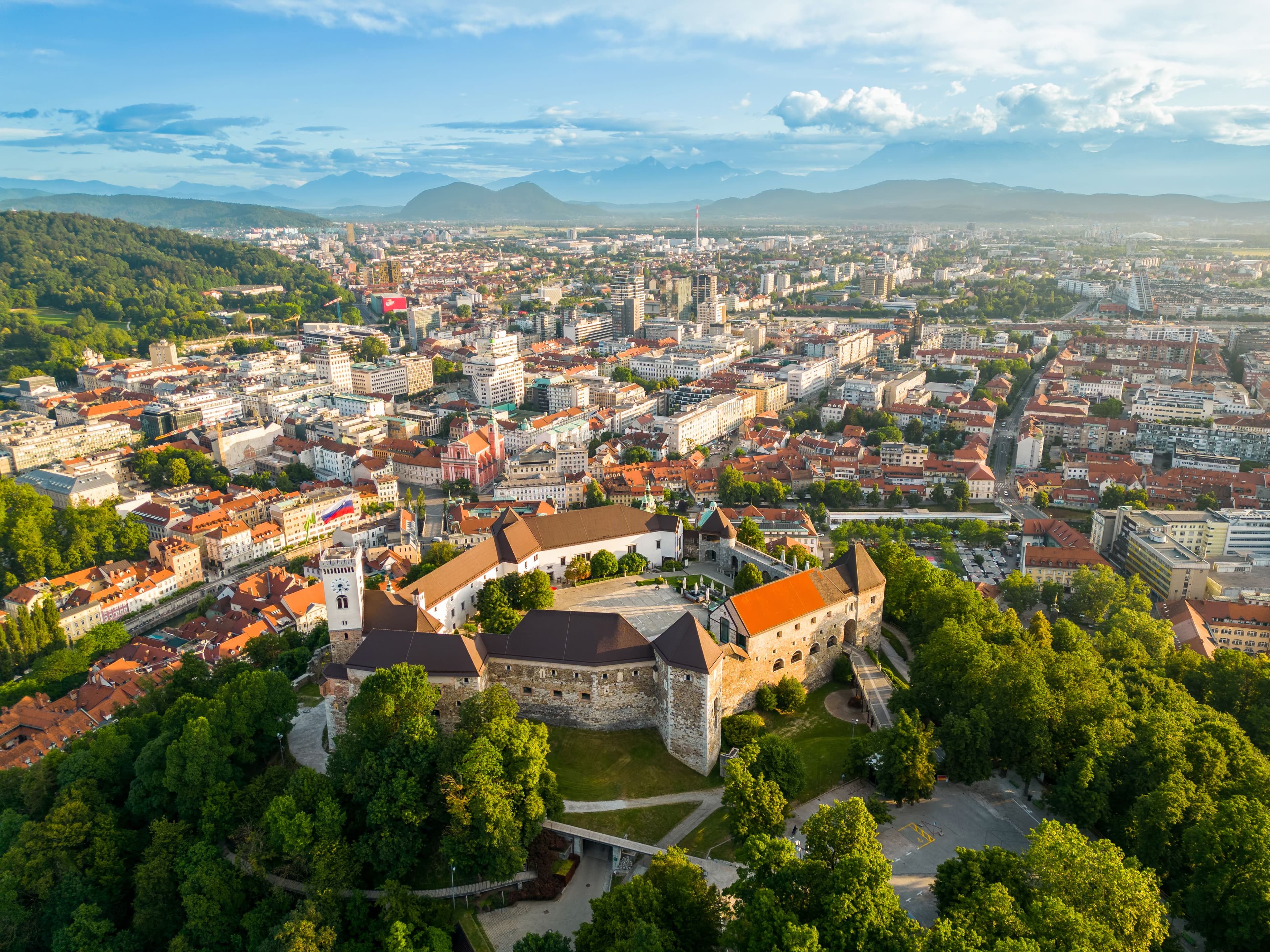
Lithuania was the last pagan kingdom in Europe and once the largest country on the continent, stretching from the Baltic to the Black Sea. What survives is remarkable and almost undiscovered: Vilnius holds one of the largest baroque old towns in Europe, a UNESCO maze of courtyards, churches and cobbles with a self-declared artists' republic in the middle of it. An hour away a red-brick castle sits on its own island in a lake. North of that stands the Hill of Crosses, where pilgrims have planted crosses for two centuries. West lies the Curonian Spit, a hundred-kilometre ribbon of sand dunes and pine forest along the sea. It is safe, walkable, strikingly cheap by European standards, and inside the Schengen zone. We plan every step of it.
The Corners That Fill a Lithuania Trip.
Most journeys settle into Vilnius and travel out by road. These are the pieces.
Vilnius and the Old Town
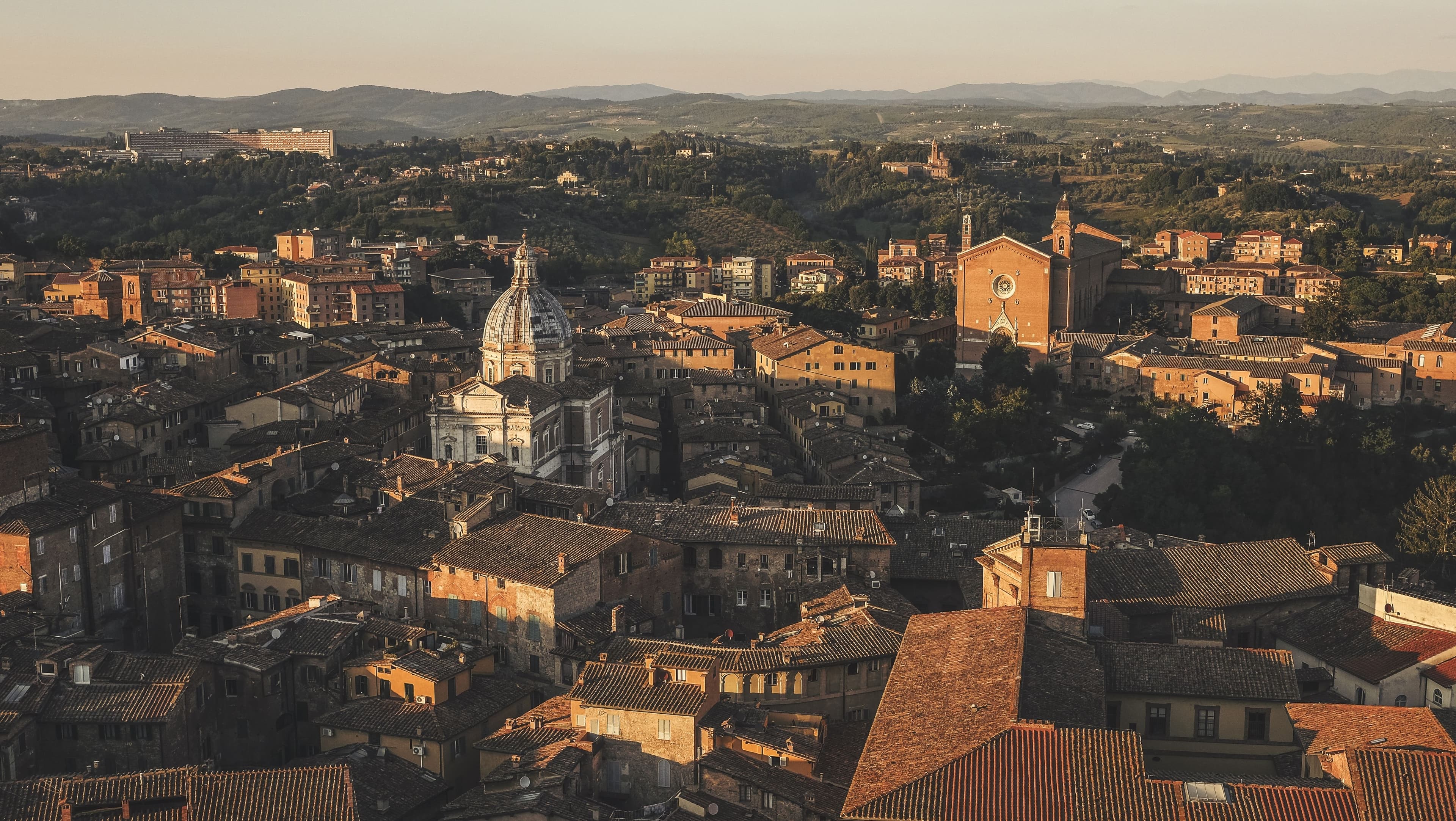
A UNESCO baroque quarter of narrow lanes and hidden courtyards
With Cathedral Square, the Gediminas Tower on its hill, the Gates of Dawn chapel, St Anne's red-brick Gothic church, and Užupis, the tiny artists' republic with its own tongue-in-cheek constitution nailed to a wall in several languages.
Trakai and the Lakes
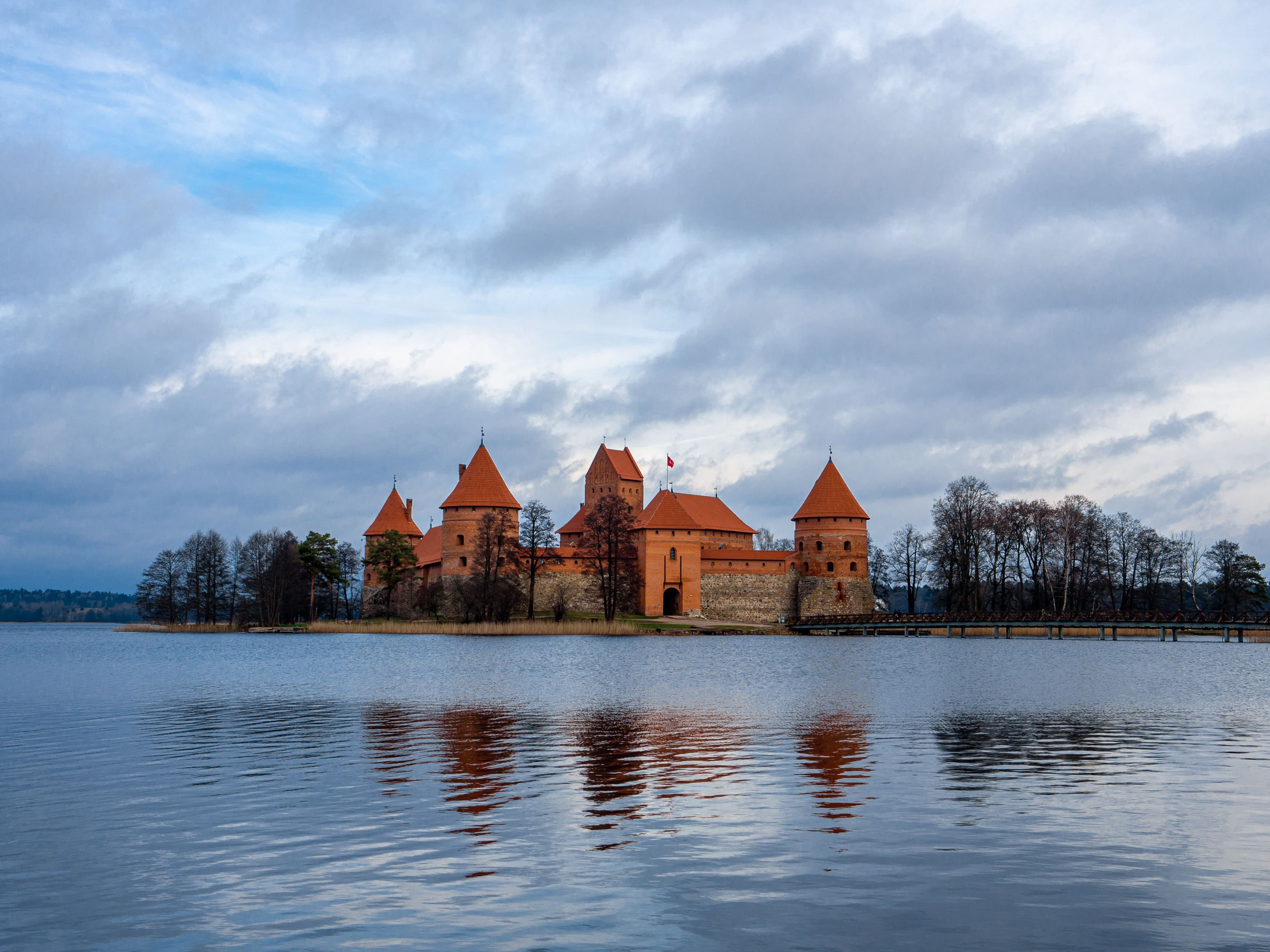
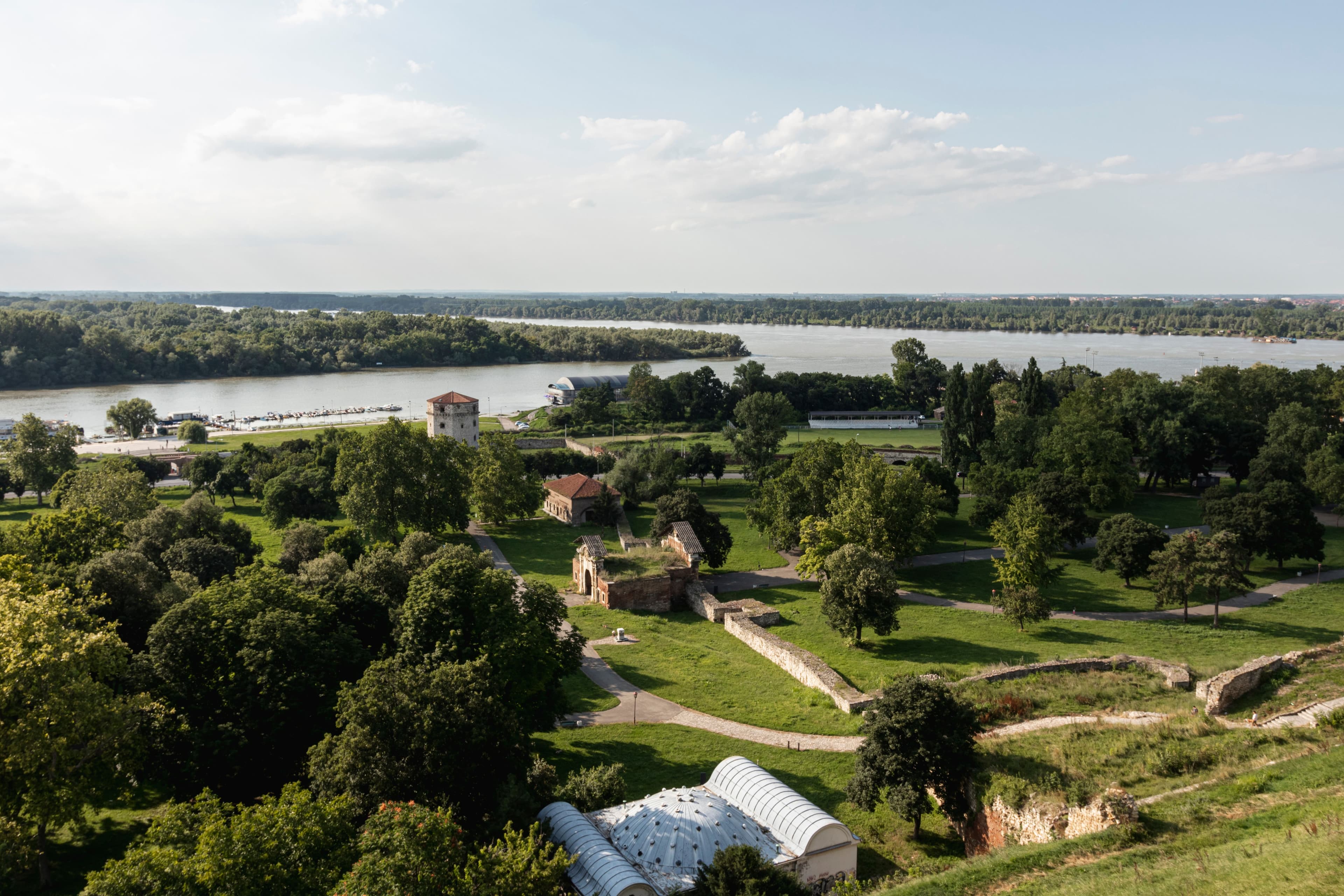
Half an hour from the capital, a fourteenth-century castle of red brick stands on an island in Lake Galve
Reached by a wooden footbridge, with rowing boats on the water in summer, ice around it in winter, and the Karaim community's kibinai pastries sold at the gate.
The Hill of Crosses and the North
Outside Siauliai, a low hill carrying well over a hundred thousand crosses
Left by pilgrims across two centuries, removed repeatedly under Soviet rule and replanted every time. Pope John Paul II came here in 1993, and it remains one of the most moving places in Europe.
Klaipeda and the Curonian Spit
The port city and its old German quarter
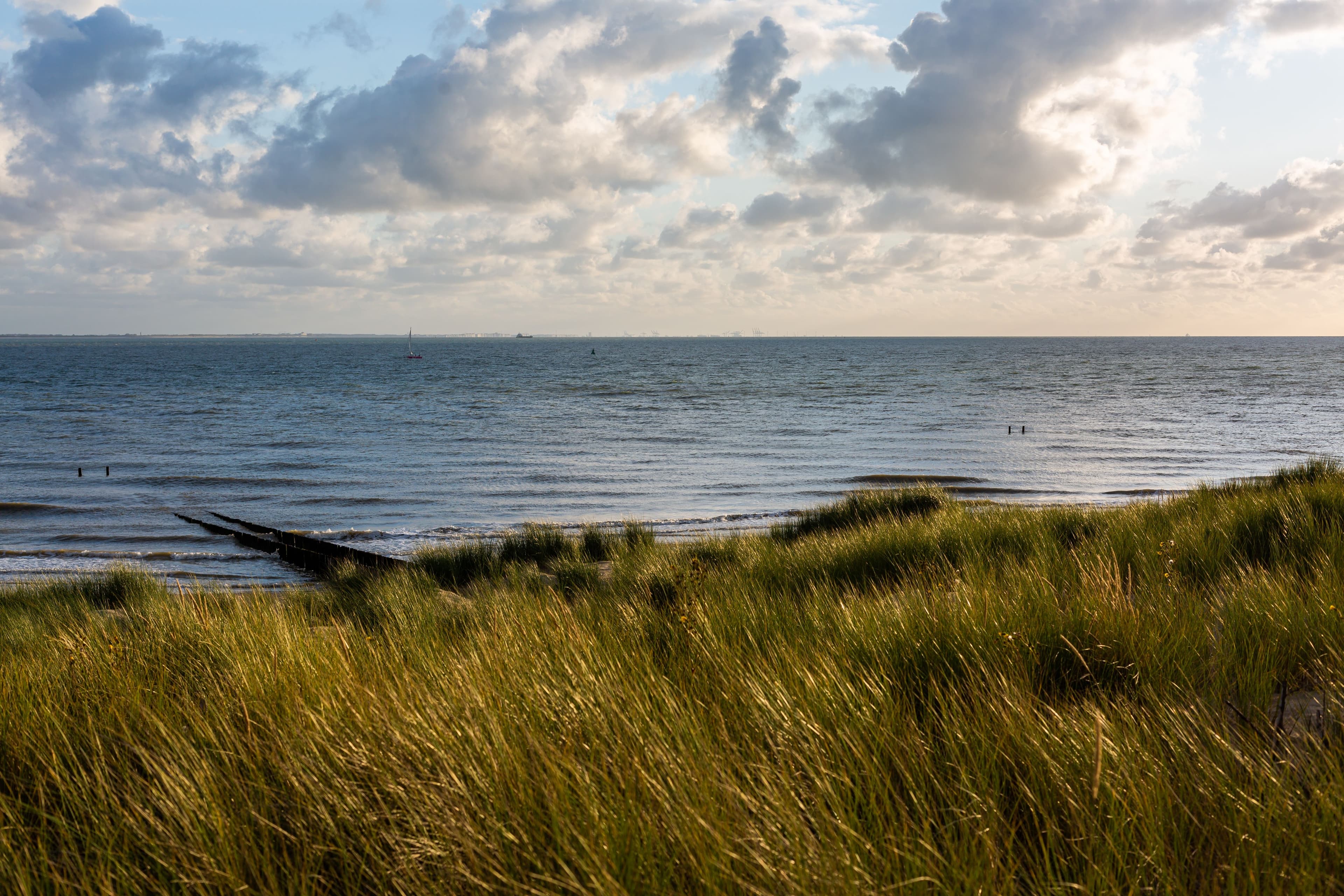
And beyond it the Curonian Spit, a UNESCO peninsula of shifting sand dunes, pine woods and quiet beaches, with the fishing village of Nida at its far end and amber washing up along the shore.
Lithuania, in brief.
Baroque streets, island castles, a hill of crosses and Baltic dunes, at prices that will surprise you. The essentials first.
Standing Among the Crosses

The Hill That Kept Being Rebuilt
The Hill of Crosses is not a church or a monument. It is a low mound outside Šiauliai where, since the 1830s, people have simply come and planted a cross, and then another, and then another, until the count passed a hundred thousand and stopped being counted. They stand in every size, from carved wooden crucifixes taller than a man to tiny rosaries hung on the arms of larger ones, and in the wind the whole hill rustles and clicks. Soviet authorities bulldozed it three times, and each time the crosses reappeared within weeks, planted at night. Pope John Paul II visited in 1993 and called it a place of hope. Pilgrims still bring crosses and leave them, and you may do the same. Kerala families with a Christian tradition find this the most affecting stop in the country, and we plan the visit for early morning, when the site is quiet and the light is low across the hill.
The Gold That Washes Up on the Beach.
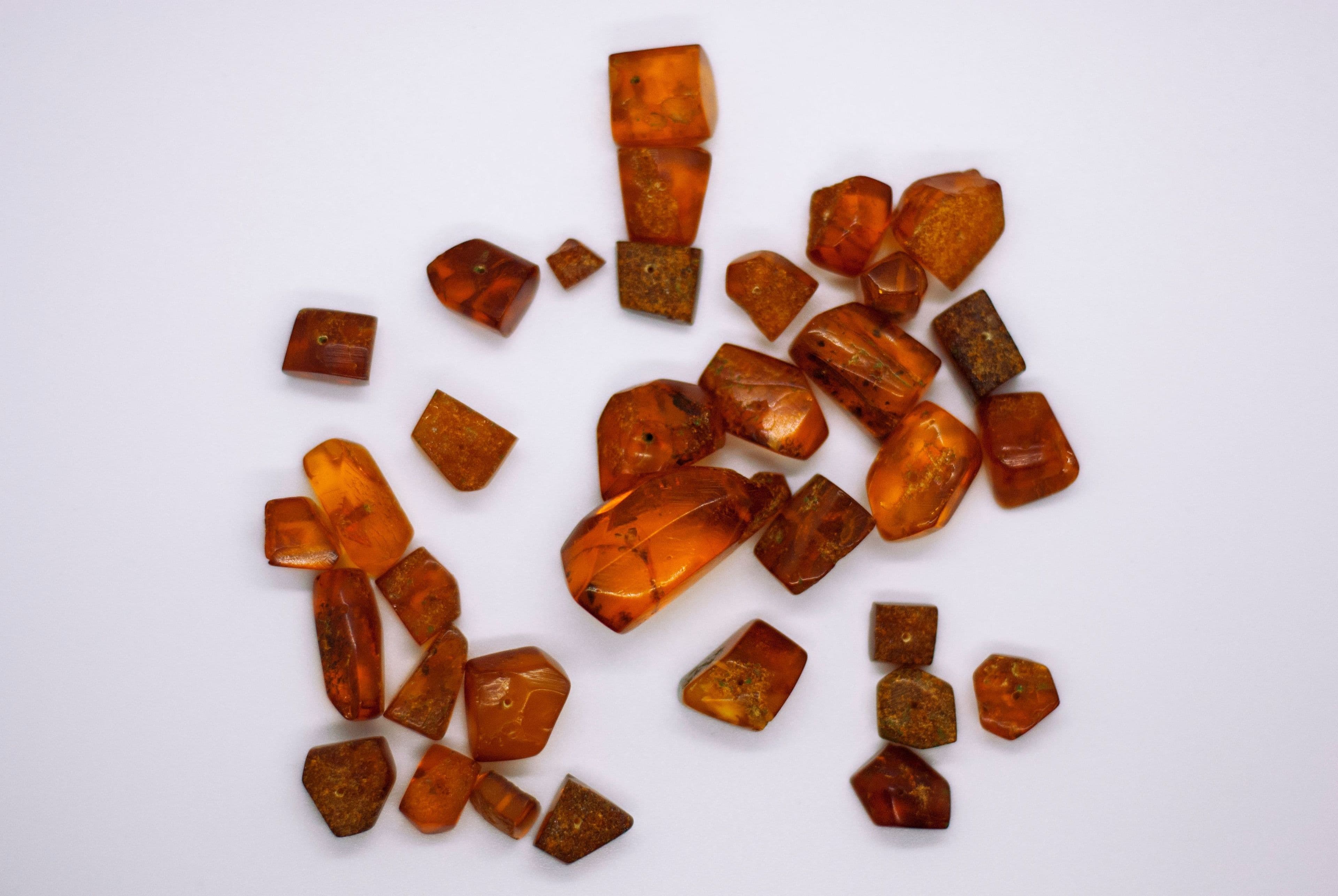
Baltic amber is fossilised pine resin, forty million years old, and Lithuania has been trading it since the Roman Empire, when it travelled south along the old Amber Road. It still washes ashore after storms on the Curonian coast, and locals walk the beach at dawn to collect it. Some pieces hold insects trapped mid-flight before the Himalayas existed. Palanga has a museum devoted to it in an old manor house, workshops along the coast will show you how it is cut and polished, and a good piece costs a fraction of what the same amber fetches in Western Europe. It is the one souvenir worth planning for.
Four Days for the Country, a Week for the Baltics.
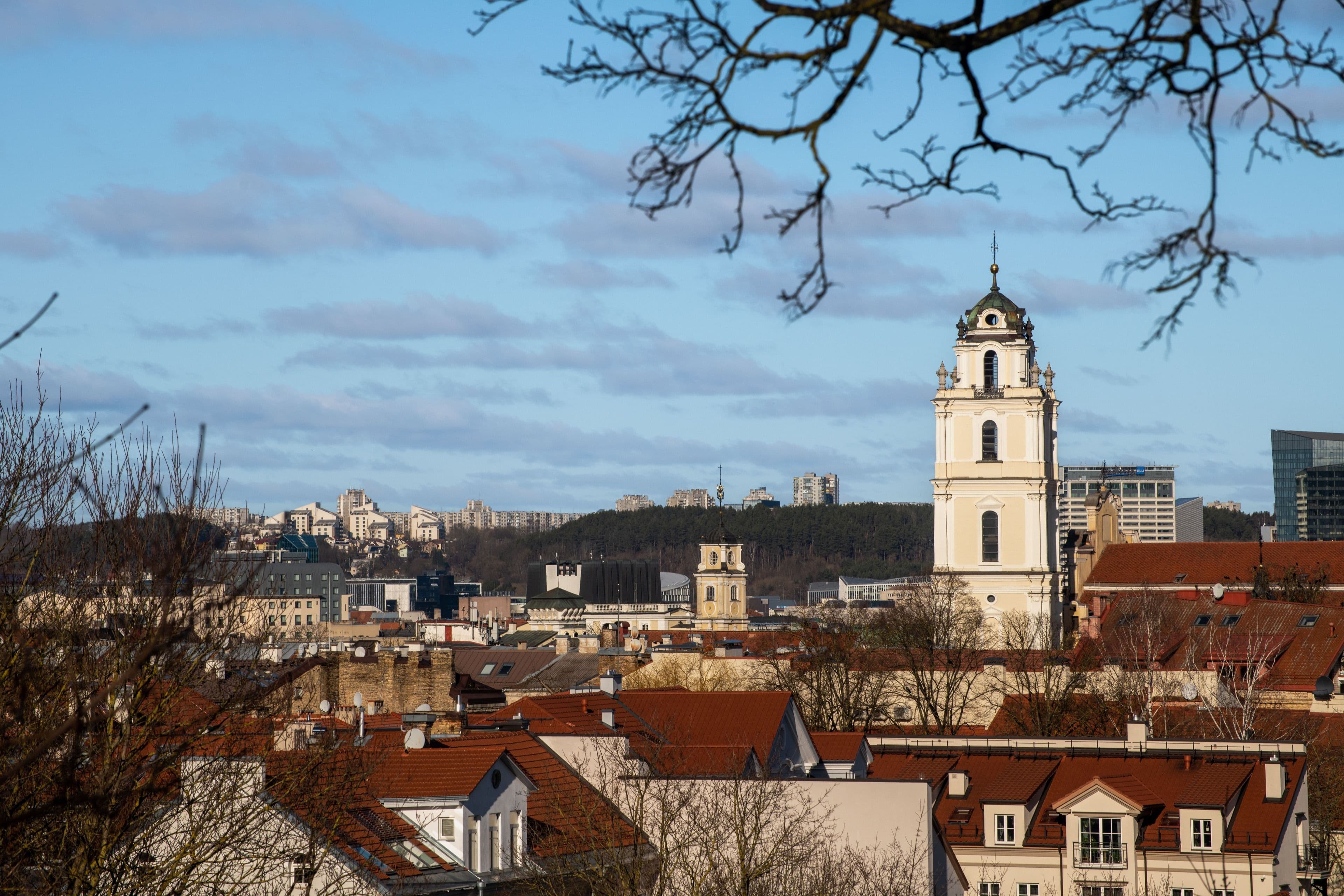
Lithuania plans start in Vilnius, and the capital fills two easy days: the old town on foot, the cathedral and the tower, Uzupis, and a long evening in a courtyard restaurant. A third day takes Trakai's island castle before lunch and returns. A fourth reaches the Hill of Crosses on the way north, or Kaunas with its interwar modernist streets. Then the country opens westward to Klaipėda and the Curonian dunes for two slower days by the sea. Beyond that, the natural move is the Baltic trio: Riga in Latvia three hours north, Tallinn in Estonia three hours further, three capitals on one Schengen visa and one comfortable road. Send your dates and your party, and the full plan comes back, flights from Kerala included, shaped until it fits.
An Undiscovered Country Needs a Good Guide.
20 Years of Experience
Two decades of journeys from Kerala, with Europe among our most planned and most loved.
Routes That Reward the Detour
The Hill of Crosses early in the morning, Trakai before the weekend crowds, and the dunes when the light is long.
Tables That Taste of Home
Indian dinners arranged in Vilnius, with vegetarian options mapped for Kaunas, Klaipėda and the coast.
One Booking, Door to Door
Flights, visa file, hotels, drivers and cross-border arrangements held together by a single Fortune team.
FAQ
Questions with useful answers
There is no direct flight, but a single smooth connection through the Gulf or a European hub takes you from Kochi or Trivandrum to Vilnius. Many travellers arrive on a combined Baltic trip through Warsaw, Helsinki or Riga, and we book whichever routing suits the plan.
Yes, a Schengen visa, and the same visa covers Latvia, Estonia, Poland and the rest of the zone on a combined trip. Fortune prepares the complete file, forms, appointments, hotel proofs and insurance; start 45 to 60 days before travel and the process stays unhurried.
May to September, with long light in June and warm weather in July and August, is the generous season, and the Curonian coast is at its best then. December brings Christmas markets in Vilnius and a cold, quiet, beautiful old town.
It is among the best value countries in the Schengen zone. Hotels, meals and sightseeing cost noticeably less than in Western Europe, which is why the Baltic trio works so well for travellers who want a longer trip without a larger budget.
Yes, and it is often the memory people bring home. The site is open, free to enter and easy to walk, takes about an hour, and visitors are welcome to leave a cross of their own. Dress for wind and carry a light rain layer.
Naturally. Vilnius, Riga and Tallinn form the classic Baltic route on a single visa, with comfortable drives between them, and Poland sits just to the south. Note that our fixed Scandinavia departure reaches Tallinn in Estonia but does not enter Lithuania, so a Lithuania trip is planned as a custom route.