

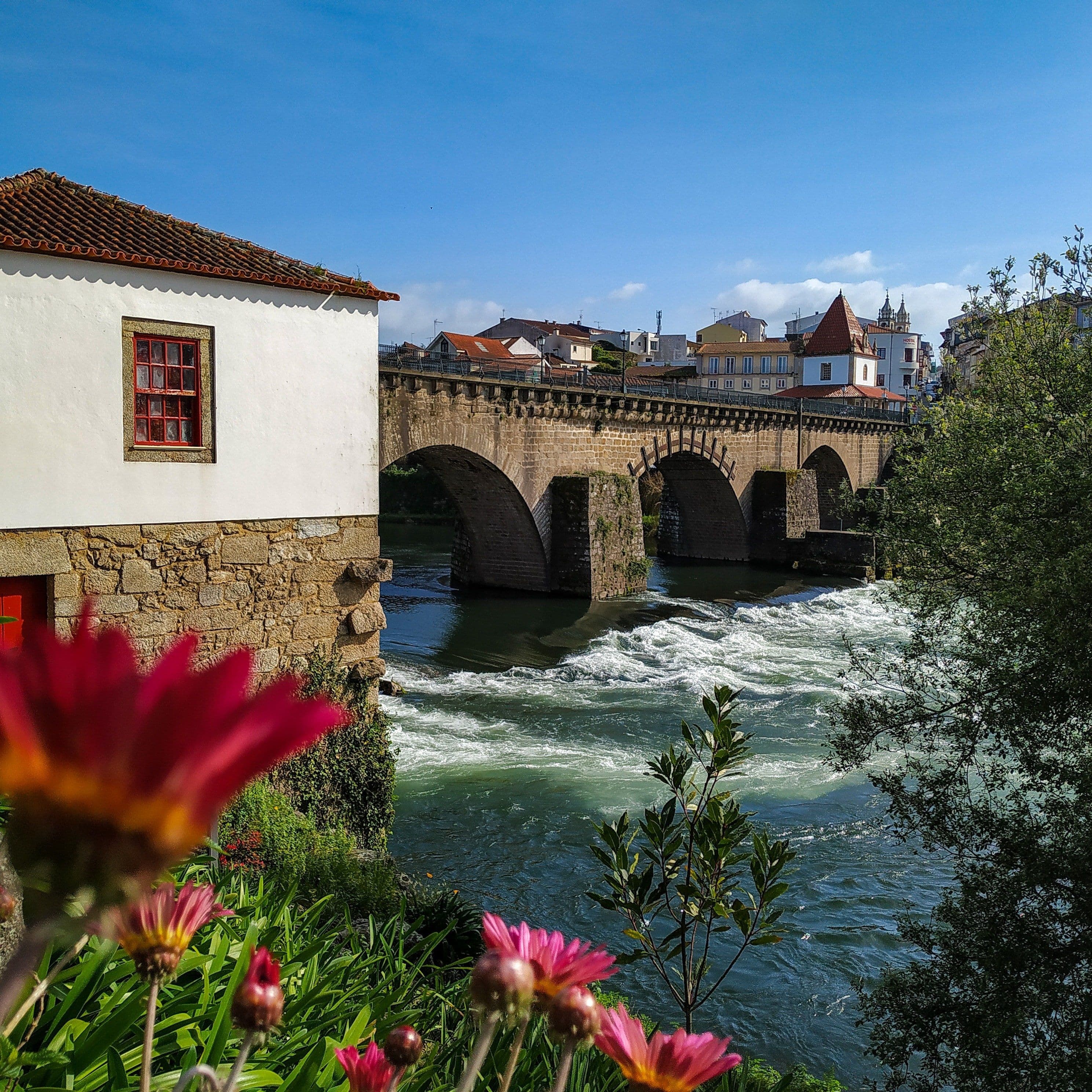
Portugal: The Country That Sailed to Us First
Yellow trams climbing tiled hills, a monastery built with pepper money, cliffs falling into the Atlantic, and the harbour that launched the ships that found Kerala. Europe's oldest borders, and its warmest welcome.
The One European Country That Already Knows Kerala.
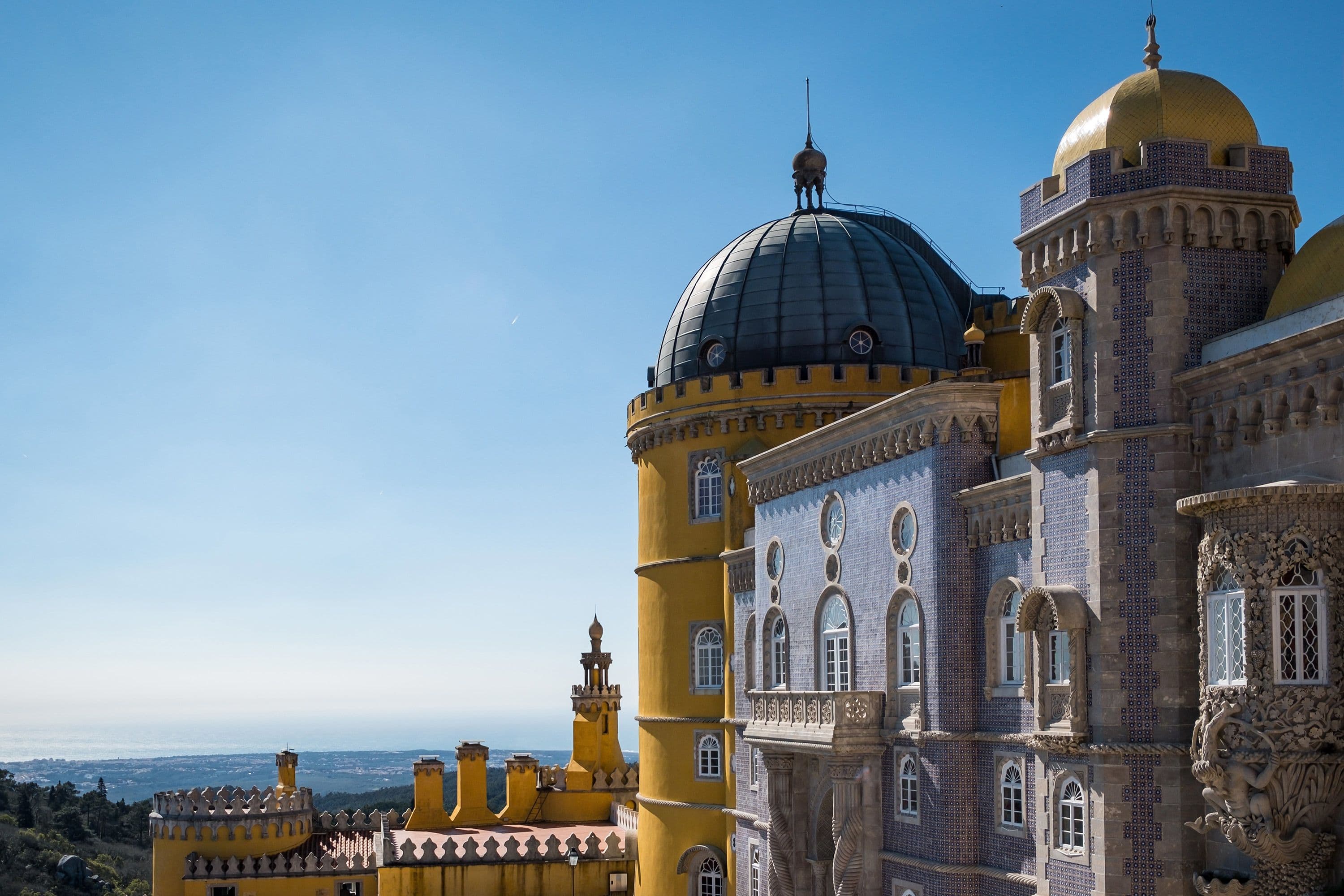
In 1498 Vasco da Gama sailed from Lisbon and landed at Kappad near Kozhikode, and the two coasts have been entangled ever since. Portugal still shows it: the Jerónimos Monastery in Belém was paid for with the spice trade, the maritime monument on the waterfront points at the ocean that made it, and da Gama himself was first buried in Kochi before being brought home. Beyond the history, this is simply one of Europe's most likeable countries. Lisbon spreads over seven hills of tiled facades and yellow trams, Porto stacks its port lodges along the Douro, Sintra hides pastel palaces in a forested hill, and the Algarve ends the country in golden cliffs and hidden sea caves. It is the most affordable country in Western Europe, the Atlantic keeps it mild, and one Schengen visa opens it. We plan every step of it.
The Regions That Fill a Portugal Trip.
Most journeys open in Lisbon and travel north to Porto or south to the Algarve, rarely both. These are the pieces.
Lisbon and Belem
Seven hills of azulejo-tiled houses
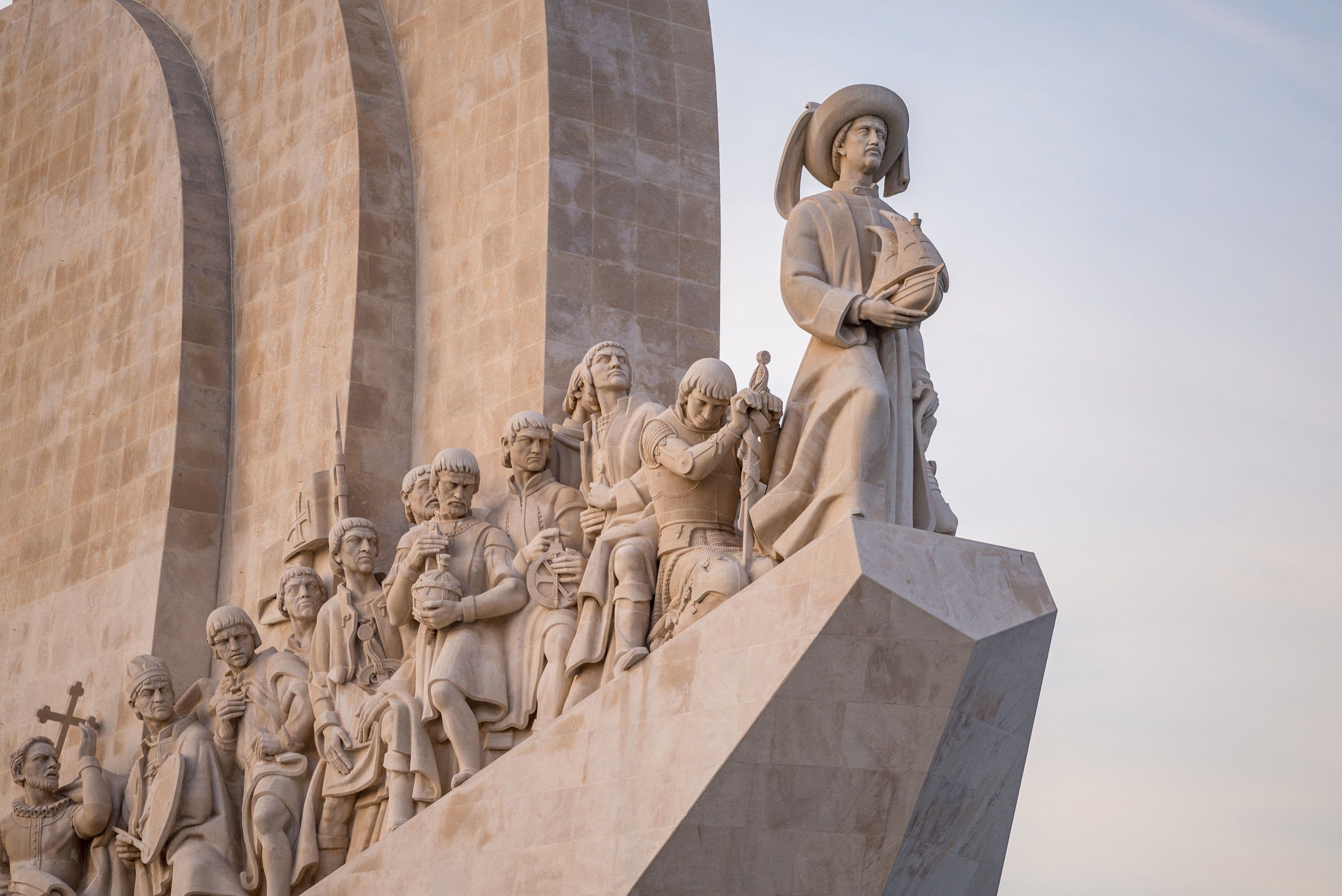
The yellow Tram 28 grinding up through Alfama, the castle above the city, and in Belém the Jerónimos Monastery, the Tower of Belém, the Monument to the Discoveries, and the original pastéis de nata bakery that has been selling them since 1837.
Sintra and the Coast
A green hill of palaces half an hour from Lisbon
With the yellow and red Pena Palace on its peak, the Moorish castle walls beside it, the initiation well of Quinta da Regaleira, and Cabo da Roca beyond, the westernmost point of mainland Europe.
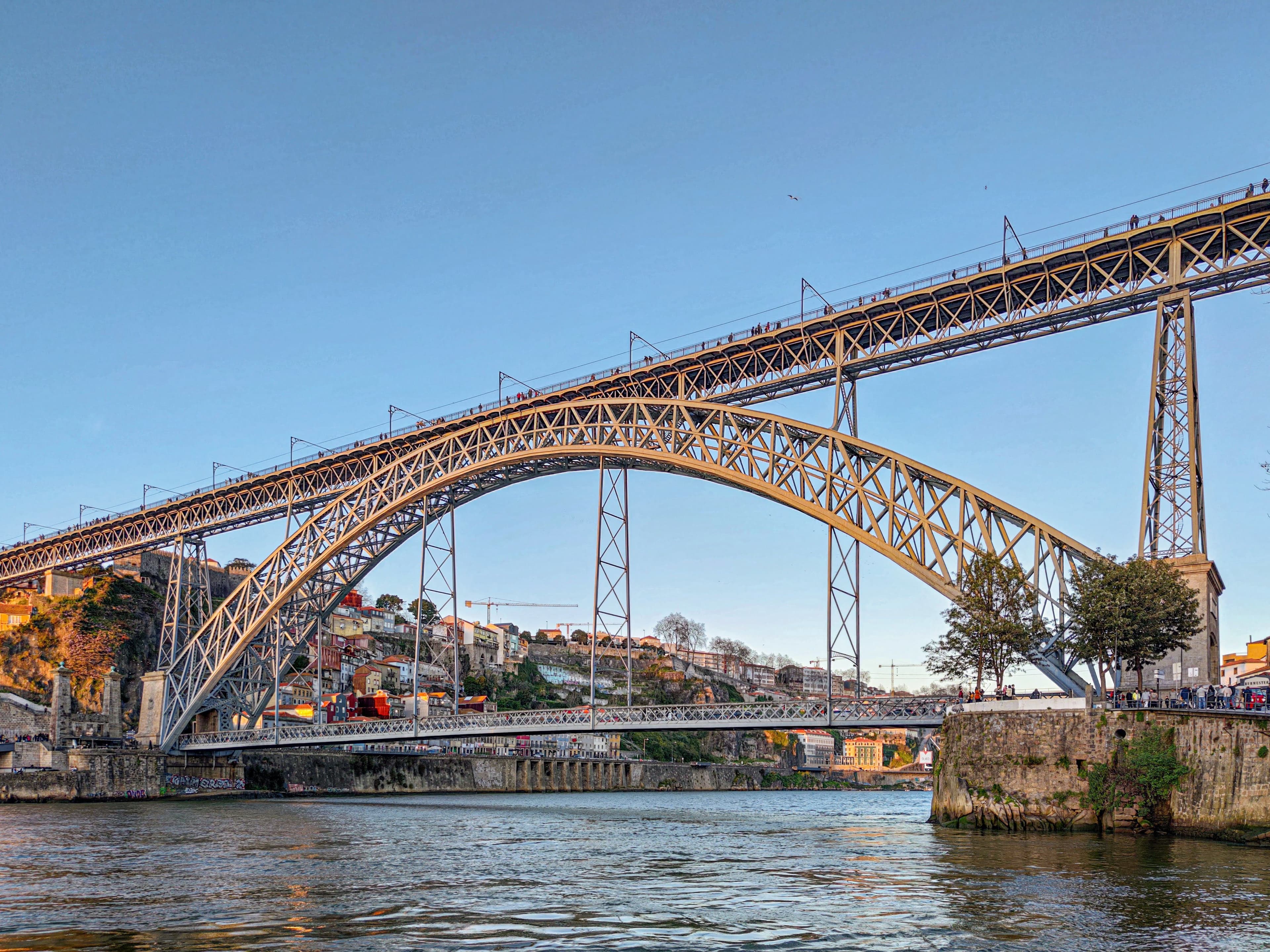
Porto and the Douro
The northern city of bridges and port lodges
With the Livraria Lello bookshop and the tiled São Bento station, and the Douro valley behind it, where terraced vineyards run down to the river and boats cruise between the quintas.
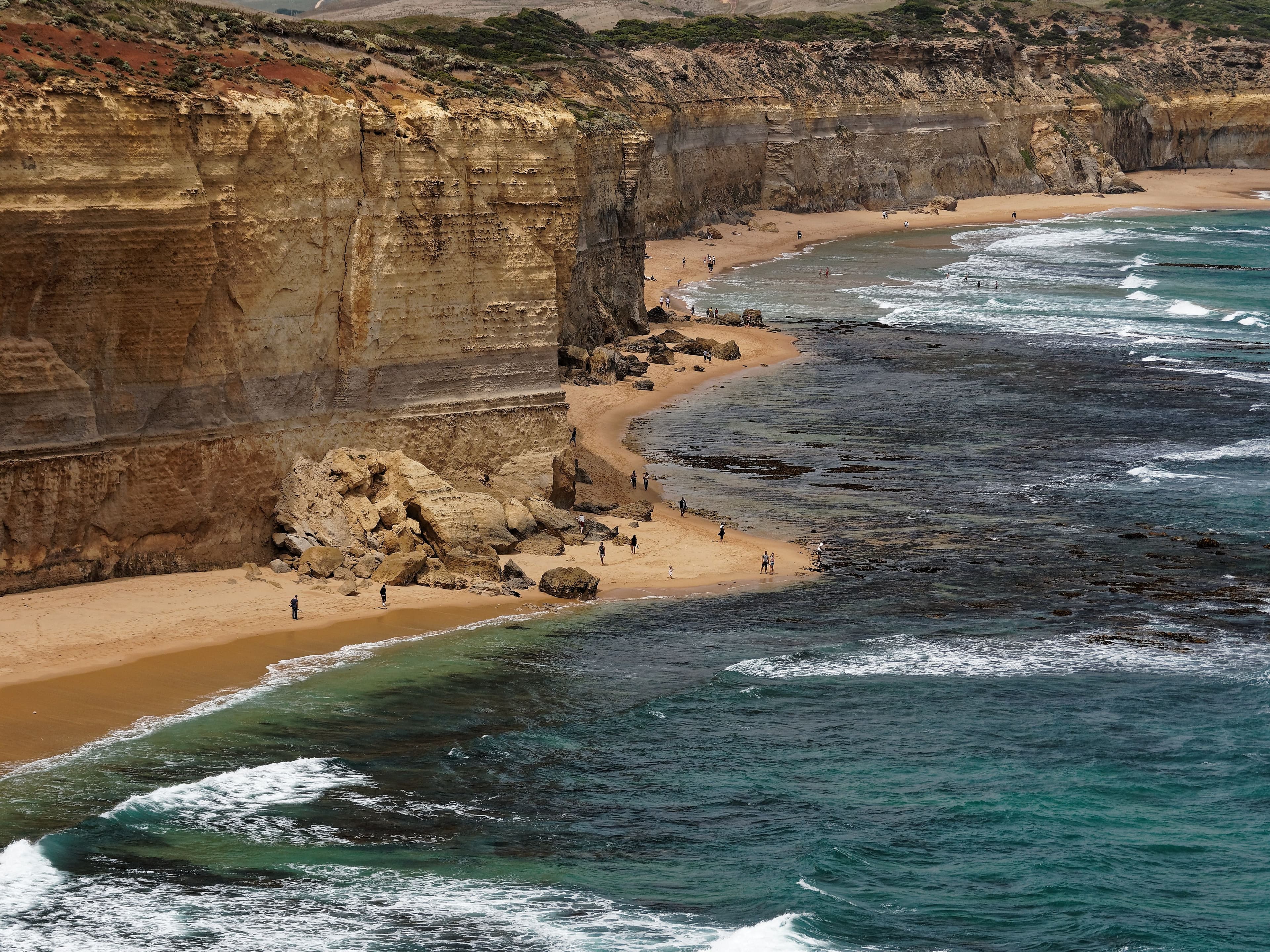
The Algarve and the South
The southern coast of golden cliffs
Sea caves reached only by boat including Benagil, calm beaches between rock stacks, and the old towns of Lagos and Tavira, with Évora's Roman temple and chapel of bones inland on the way down.
Portugal, in brief.
Tiled cities, hilltop palaces, river vineyards and an Atlantic coast of cliffs and caves, at Western Europe's gentlest prices. The essentials first.
Standing in Belem
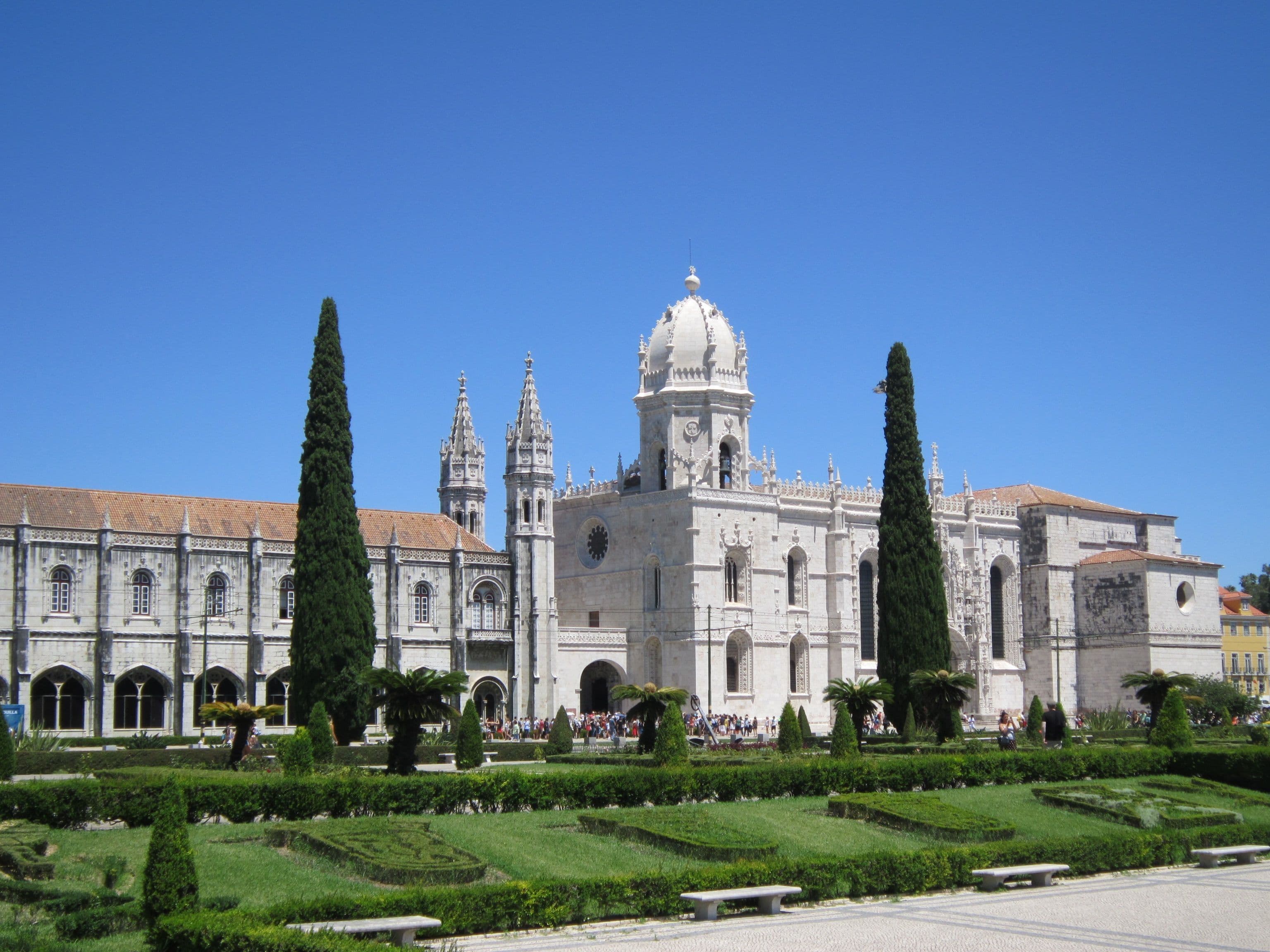
The Monastery That Pepper Built
Belem, a few kilometres down the Tagus from central Lisbon, is where the ships left. Vasco da Gama's fleet sailed from this stretch of river in 1497 and reached Kappad, north of Kozhikode, the following May. When the spice wealth came back, the crown spent it here: the Jerónimos Monastery, a vast late-Gothic cloister of carved stone rope, coral and navigational instruments, funded largely by a tax on the pepper and cinnamon trade with India. Da Gama's tomb lies just inside the door, though his first burial was in St Francis Church in Kochi, where the gravestone still sits. Beside the monastery stand the Tower of Belém on the water and the Monument to the Discoveries, a great stone prow of explorers facing the Atlantic. For a Kerala traveller this is not a generic European monument; it is the other end of a story that started on a beach an hour from home. We schedule it for the morning, before the queues, with the pastéis de nata afterwards, warm, from the bakery that has made them since 1837.

The Cave You Can Only Reach by Water.
Benagil sits on the Algarve coast between Portimão and Albufeira, and it is the most photographed sea cave in Europe: a domed chamber of golden rock with a circular hole open to the sky and a small beach inside, reachable only from the water. Small boats, kayaks and stand-up paddleboards go in from the neighbouring beaches, weather permitting, and landing rules have tightened in recent years to protect it, so the trip is booked rather than turned up for. Morning light through the roof opening is the shot. The same boat trip threads the arches and stacks along the coast either side, which is worth the ticket on its own.
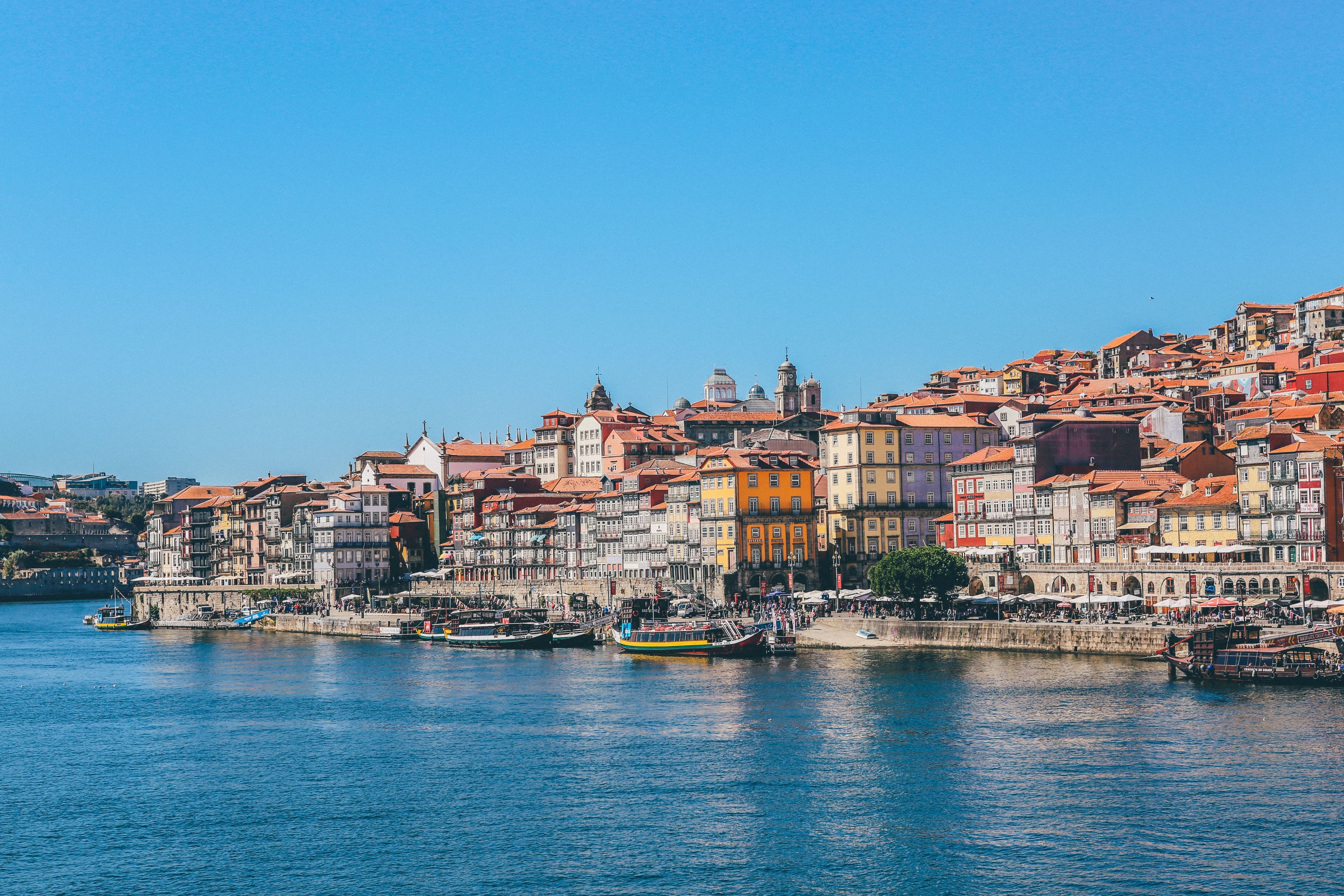
A Week for Lisbon and Sintra, Ten Days for the Whole Coast.
Portugal plans run along one axis, and the choice is which way. A week gives Lisbon three days with a Belém morning and a Sintra day, then heads either north to Porto and a Douro valley cruise, or south to the Algarve for cliffs, caves and beaches. Ten days does both, with the fast train doing the long leg in under three hours. Honeymooners usually finish in the Algarve; families often prefer Porto and the river. Spain sits next door on the same visa, with Seville four hours from Lisbon and Madrid within easy reach, if you want two countries in one trip. Send your dates and your party, and the full plan comes back, flights from Kerala included, shaped until it fits.
An Old Connection Deserves a Proper Visit.
20 Years of Experience
Two decades of journeys from Kerala, with Europe among our most planned and most loved.
Routes That Tell the Story
Belém and the da Gama connection given a proper morning, Sintra before the coaches, and the Algarve boats booked for the right light.
Tables That Taste of Home
Indian dinners arranged in Lisbon and Porto, with vegetarian options mapped along the Algarve, where bread, cheese, olives and grilled vegetables carry any menu.
One Booking, Door to Door
Flights, visa file, hotels, trains, palace tickets and cave boats held together by a single Fortune team.
FAQ
Questions with useful answers
A single smooth Gulf connection takes you from Kochi or Trivandrum to Lisbon, usually landing the same day, and Porto is served on the same routings. We book the entry city that suits your route, since flying into one end and out of the other saves a day.
Yes, a Schengen visa, and the same visa covers Spain and the rest of the zone on a combined trip. Fortune prepares the complete file, forms, appointments, hotel proofs and insurance; start 45 to 60 days before travel and the process stays unhurried.
March to June and September to October are the sweet spots, warm but not fierce, with the sea still holding summer heat in September. July and August are hot and busiest on the Algarve, and winters stay mild enough that Lisbon works year round.
A direct one. Vasco da Gama sailed from Lisbon and landed at Kappad near Kozhikode in 1498, the Jerónimos Monastery in Belém was built on the spice wealth that followed, and da Gama was first buried in Kochi before his remains were returned to Portugal. We build that thread into the Lisbon days.
It is the most affordable country in Western Europe. Meals, hotels and transport all cost noticeably less than in France, Italy or Switzerland, which is why it suits travellers who want a longer or slower trip on the same budget.
Yes. Lisbon and Porto both have good Indian restaurants and we pre-arrange dinners, while Portuguese menus offer plenty of vegetarian options built on bread, cheese, soups, olives and grilled vegetables, with the coast strong on seafood for those who eat it.